
As women reach their 30s, life often brings new challenges, including changes in health and self-care routines. One area that deserves attention is feminine hygiene. Understanding how to maintain proper hygiene becomes even more crucial as our bodies evolve. This article will explore essential tips on feminine hygiene for women over 30 and why it matters for your overall health.
Why This Topic Matters
Feminine hygiene is not just about keeping clean; it impacts your overall well-being. Neglecting proper hygiene can lead to infections, discomfort, and even affect your confidence. As hormonal changes begin to occur, especially during menstrual cycles, it’s essential to adapt your hygiene practices accordingly. This knowledge can significantly improve your daily life, making you feel fresher and more confident.
Key Things Readers Should Know
Feminine hygiene involves caring for your intimate areas to prevent infections and maintain health. Here are a few key concepts:
- Natural Balance: The vagina has a natural balance of bacteria and pH levels. Overwashing or using harsh products can disrupt this balance.
- Menstrual Changes: After 30, menstrual cycles might change in frequency and flow. This can affect your hygiene routine.
- Skin Sensitivity: Skin may become more sensitive with age, making it vital to choose products wisely.
Practical Tips for Feminine Hygiene
1. Choose the Right Products
Select gentle, unscented soaps specifically designed for feminine hygiene. Avoid douches or products containing alcohol, as they can disrupt natural flora.
2. Maintain Regular Cleaning
Wash the vaginal area daily with warm water. You don’t need to use soap every day; just rinsing with water is often sufficient.
3. Stay Hydrated
Drink plenty of water. Staying hydrated helps maintain healthy bodily functions, including vaginal health.
4. Wear Breathable Fabrics
Choose cotton underwear and avoid tight-fitting clothes to allow air circulation. This helps reduce moisture buildup that can lead to infections.
5. Be Mindful During Menstruation
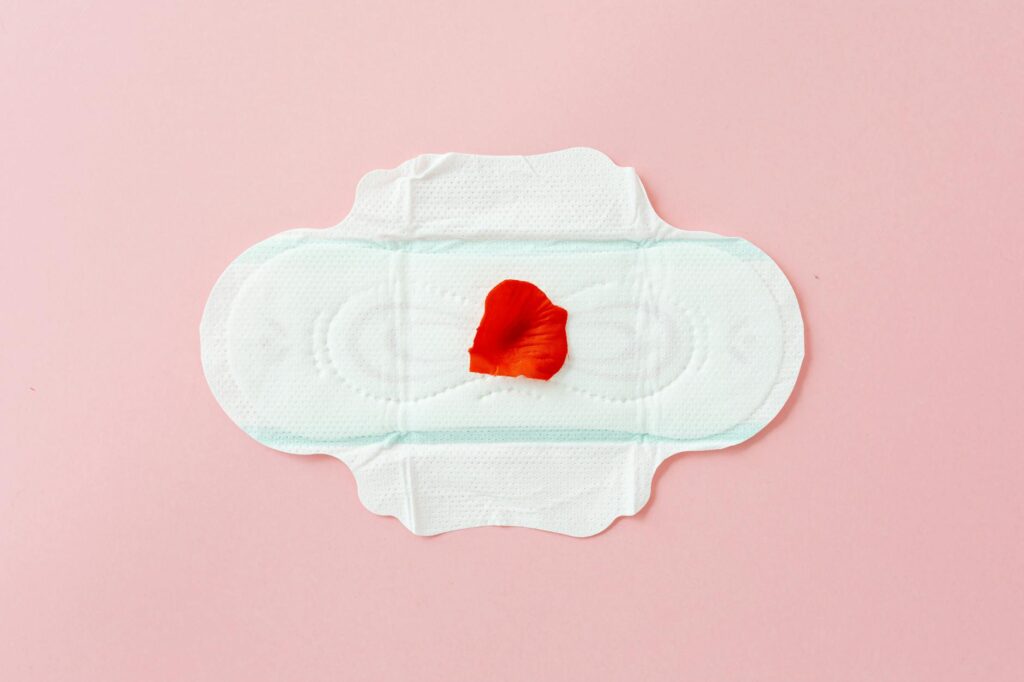
Change sanitary products regularly, ideally every 4-6 hours. Consider using menstrual cups or organic products if you have sensitive skin.
Personalized Advice for Different Readers
Depending on your lifestyle, you may need to adapt these tips:
- Busy Professionals: Keep travel-friendly hygiene wipes in your bag for quick freshening up during the day.
- Parents: Teach your daughters about hygiene early, so they understand the importance of self-care.
- Fitness Enthusiasts: Shower promptly after workouts and change into clean clothes to prevent irritation.
Common Mistakes to Avoid
Here are some common mistakes regarding feminine hygiene:
- Overcleaning: Excessive washing can remove beneficial bacteria.
- Using Scented Products: Fragrances can cause irritation and allergic reactions.
- Neglecting Regular Check-Ups: Regular gynecological visits are essential to monitor your reproductive health.
Simple Real-Life Example
Consider Sarah, a 32-year-old working mother. After having children, she noticed changes in her menstrual cycle and increased sensitivity. By adopting a gentle wash routine and being more mindful of her product choices, she found relief from discomfort and regained her confidence.
Quick Checklist for Feminine Hygiene
| Action | Frequency |
|---|---|
| Wash with warm water | Daily |
| Change menstrual products | Every 4-6 hours |
| Stay hydrated | Daily |
| Check for unusual symptoms | As needed |
Frequently Asked Questions
What products should I avoid for feminine hygiene?
Avoid douches, scented soaps, and alcohol-based products, as they can irritate and disrupt the natural balance.
How often should I visit my gynecologist?
Generally, it’s recommended to have an annual check-up, but consult your doctor for personalized advice.
Can dietary changes help with feminine hygiene?
Yes, a balanced diet rich in fruits, vegetables, and probiotics can support vaginal health.
What are signs of an infection?
Look for unusual discharge, itching, or a foul odor. If you notice any of these symptoms, consult a healthcare professional.
Is it normal for hygiene needs to change after 30?
Yes, hormonal changes can affect your hygiene routine and needs. It’s essential to adjust accordingly.
Taking care of your feminine hygiene is essential for your overall health, especially as you navigate your 30s. By implementing these tips, you can feel more confident and healthy in your daily life. Remember, self-care is not a luxury; it’s a necessity. Start by choosing one simple change to improve your routine today.
Disclaimer: This article is for general informational purposes only and should not be considered medical advice. Please consult a qualified healthcare professional before making health-related decisions.