
Feminine hygiene can often feel overwhelming, especially for those just starting to explore the topic. With so much information out there, it’s easy to get confused about what practices are best for your body. This beginner-friendly feminine hygiene guide will break down the essentials, offering you practical tips and aligning with the latest trends in women’s health.
Why This Topic Matters
Understanding feminine hygiene is crucial for maintaining your overall health and well-being. Good hygiene practices can prevent infections, enhance comfort, and boost your confidence. Moreover, embracing these habits can foster a more positive relationship with your body and promote self-care. When you feel good down there, it often reflects in other areas of your life.
Key Things Readers Should Know
Feminine hygiene refers to the practices that help maintain the health of your intimate area. This includes how you clean yourself, what products you use, and how you manage your menstrual cycle. Here are some key points to consider:
- The vagina is self-cleaning; using harsh soaps or douches can disrupt its natural balance.
- Choose breathable, cotton underwear to reduce moisture and irritation.
- Pay attention to your body’s signals; any unusual changes should be discussed with a healthcare professional.
Practical Tips for Feminine Hygiene
Daily Hygiene Practices
Here are some practical hygiene tips to incorporate into your daily routine:
- Wash your intimate area with mild soap and water daily. Avoid scented products.
- Change your underwear daily, especially after workouts.
- Stay hydrated to help maintain your body’s natural balance.
Menstrual Care
Managing your period is a vital part of feminine hygiene:
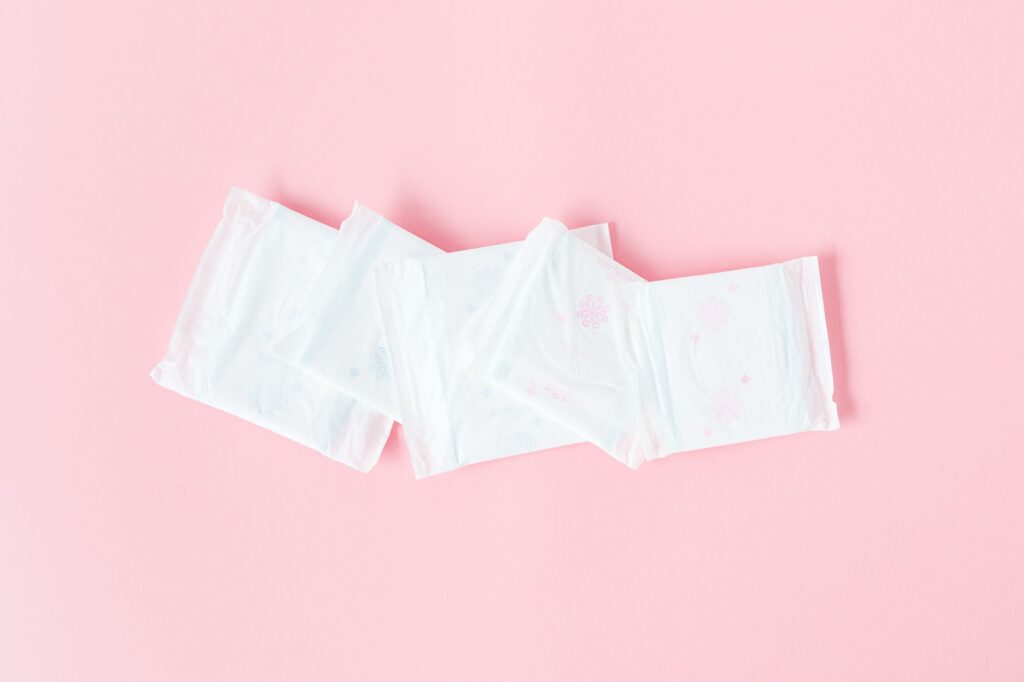
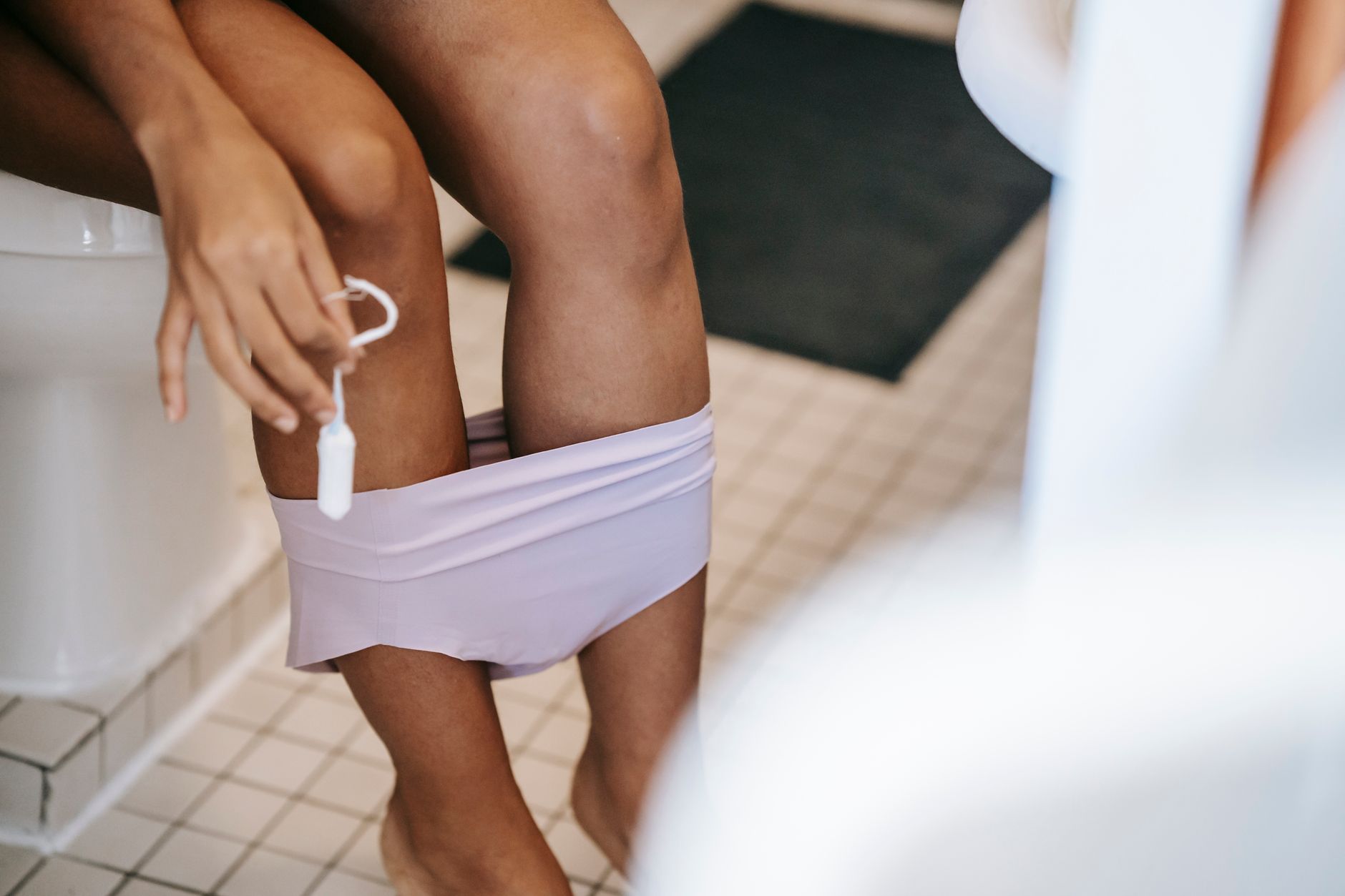
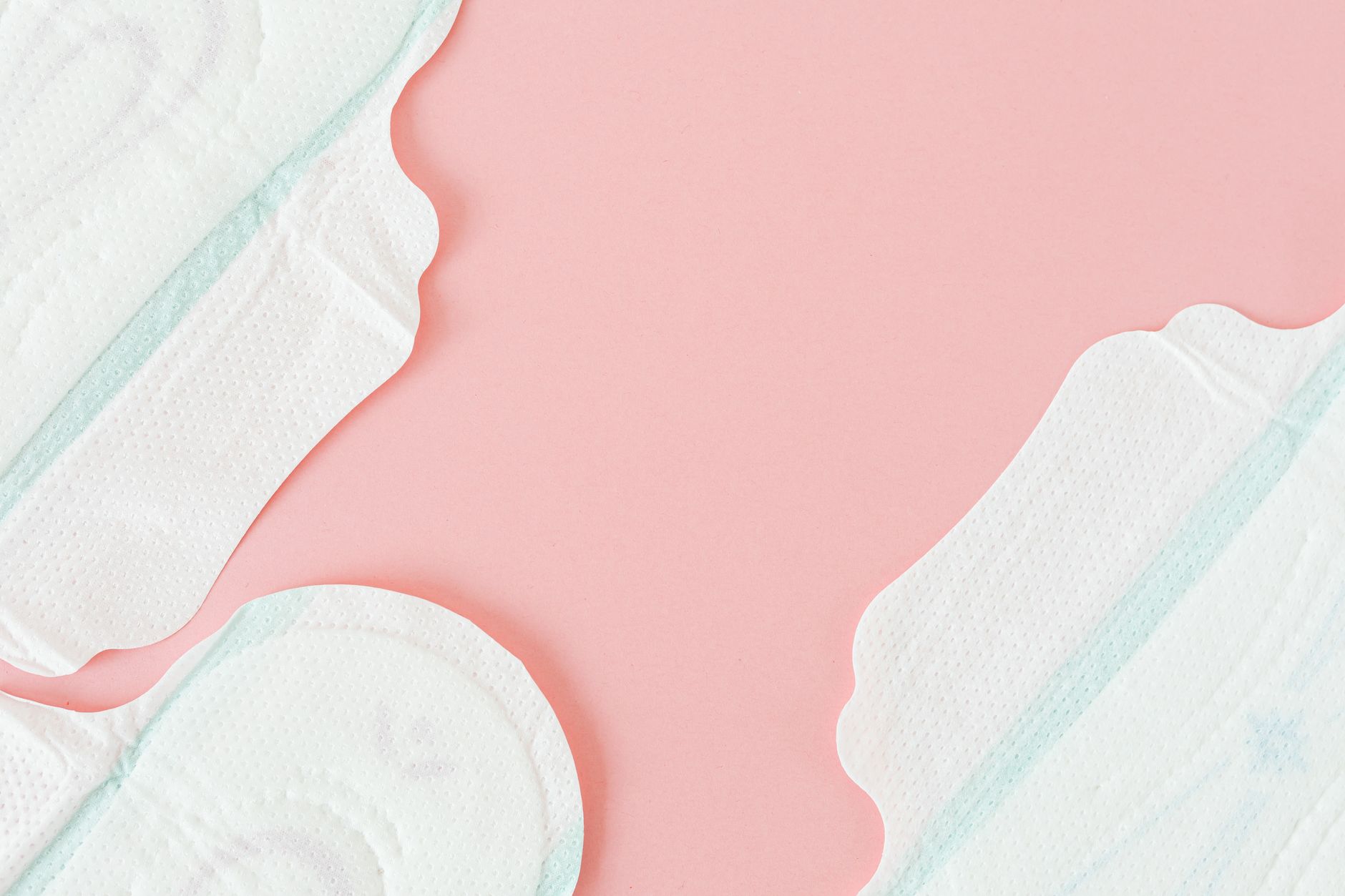
- Use pads or tampons that are free of chemicals and fragrances.
- Change menstrual products regularly to prevent odor and infection.
- Consider trying menstrual cups or period underwear for a more eco-friendly option.
Post-Exercise Care
After exercising, it’s important to care for your intimate area:
- Change out of sweaty clothes as soon as possible.
- Shower after workouts, focusing on gentle cleaning.
- Wear loose-fitting clothing to allow for ventilation.
Personalized Advice for Different Readers
For Busy Individuals
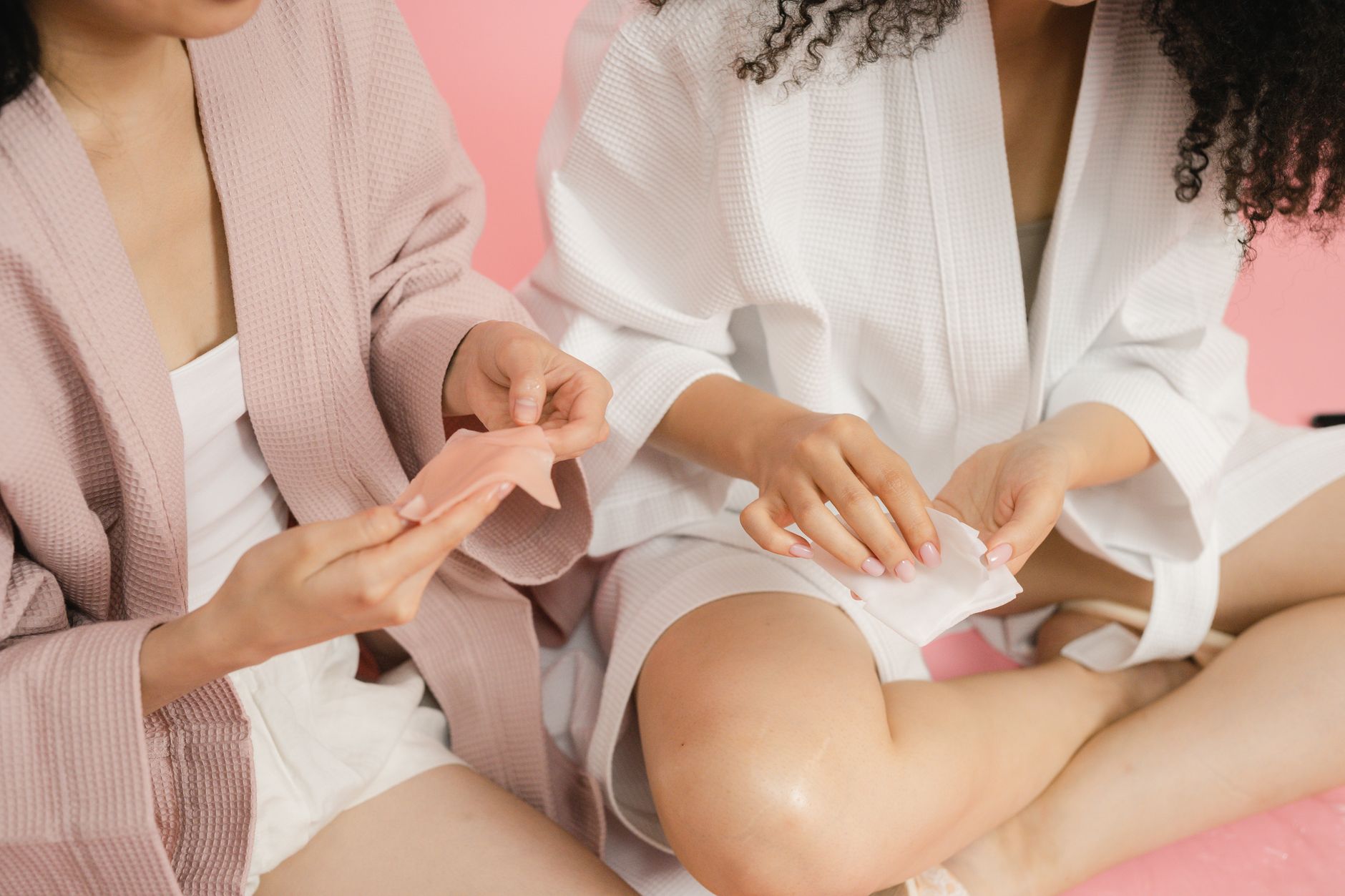
If you’re always on the go, keep travel-sized hygiene products handy. Simple wipes can help you freshen up quickly.
For Students
Establish a routine that fits your school schedule. Mark reminders on your calendar for changing sanitary products.
For Those with Sensitive Skin
Opt for hypoallergenic products and always patch-test new items to avoid irritation.
Safety, Mistakes, or Things to Avoid
Here are some common mistakes to avoid:
- Using harsh soaps or feminine sprays can disrupt your pH balance.
- Wearing tight clothing can cause friction and irritation.
- Skipping regular gynecological check-ups can lead to untreated issues.
Always consult a healthcare professional if you experience unusual symptoms or have concerns about your feminine hygiene.
Simple Real-Life Example
Consider Sarah, a busy college student. She struggled with her intimate care routine due to her packed schedule. By setting reminders on her phone and keeping a small hygiene kit in her backpack, she felt more empowered and confident. Small changes made a big difference in her self-care journey.
Quick Checklist for Feminine Hygiene
| Task | Frequency |
|---|---|
| Wash intimate area | Daily |
| Change underwear | Daily |
| Change menstrual product | Every 4-6 hours |
| Shower after workouts | After each workout |
| Wear breathable fabrics | Always |
Frequently Asked Questions
What products are best for feminine hygiene?
Opt for unscented, mild soaps, and consider natural menstrual products.
How often should I see a gynecologist?
It’s recommended to have an annual check-up, or more often if you have specific concerns.
Can I use regular soap for intimate hygiene?
It’s best to use mild, unscented soap designed for sensitive areas.
How can I maintain intimate hygiene during my period?
Change products regularly and keep the area clean and dry.
What should I do if I experience discomfort?
Consult a healthcare professional if you feel persistent discomfort or irritation.
Taking care of your feminine hygiene is an important part of your wellness journey. By following the tips in this guide, you can feel more confident and comfortable in your own skin. Start by choosing one or two practices to incorporate into your routine today, and notice how it positively impacts your overall health and self-care.
Disclaimer: This article is for general informational purposes only and should not be considered medical advice. Please consult a qualified healthcare professional before making health-related decisions.