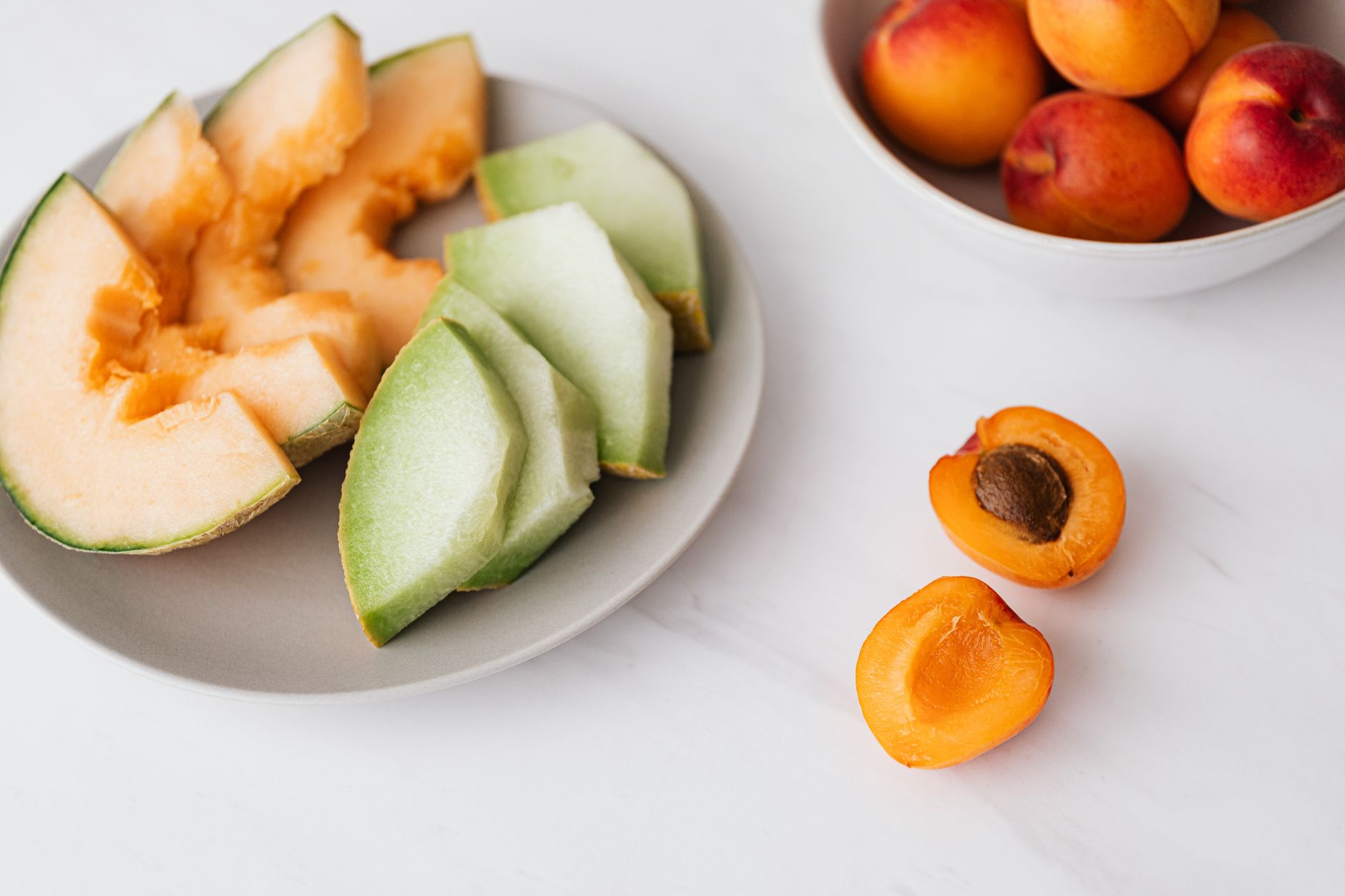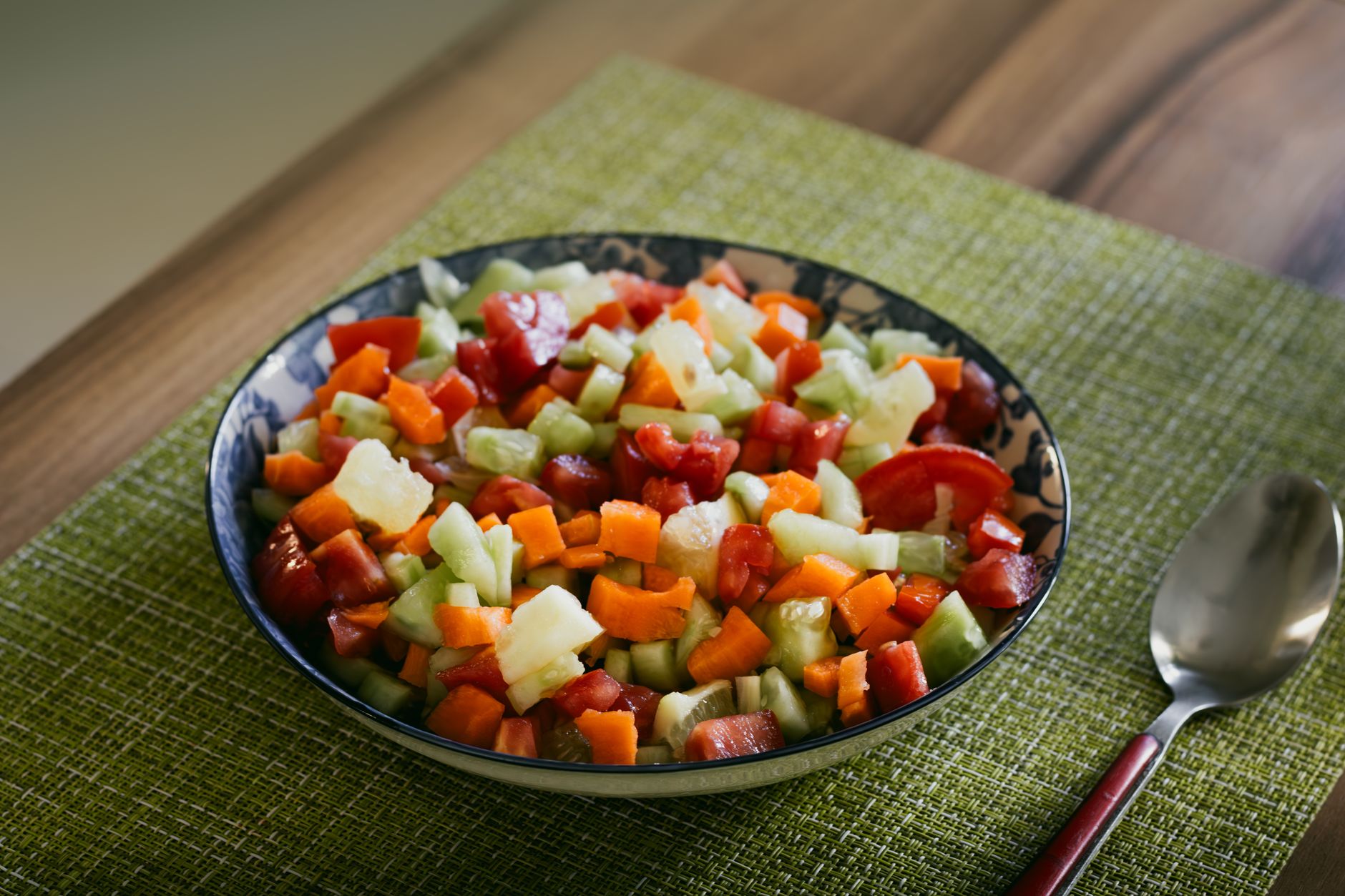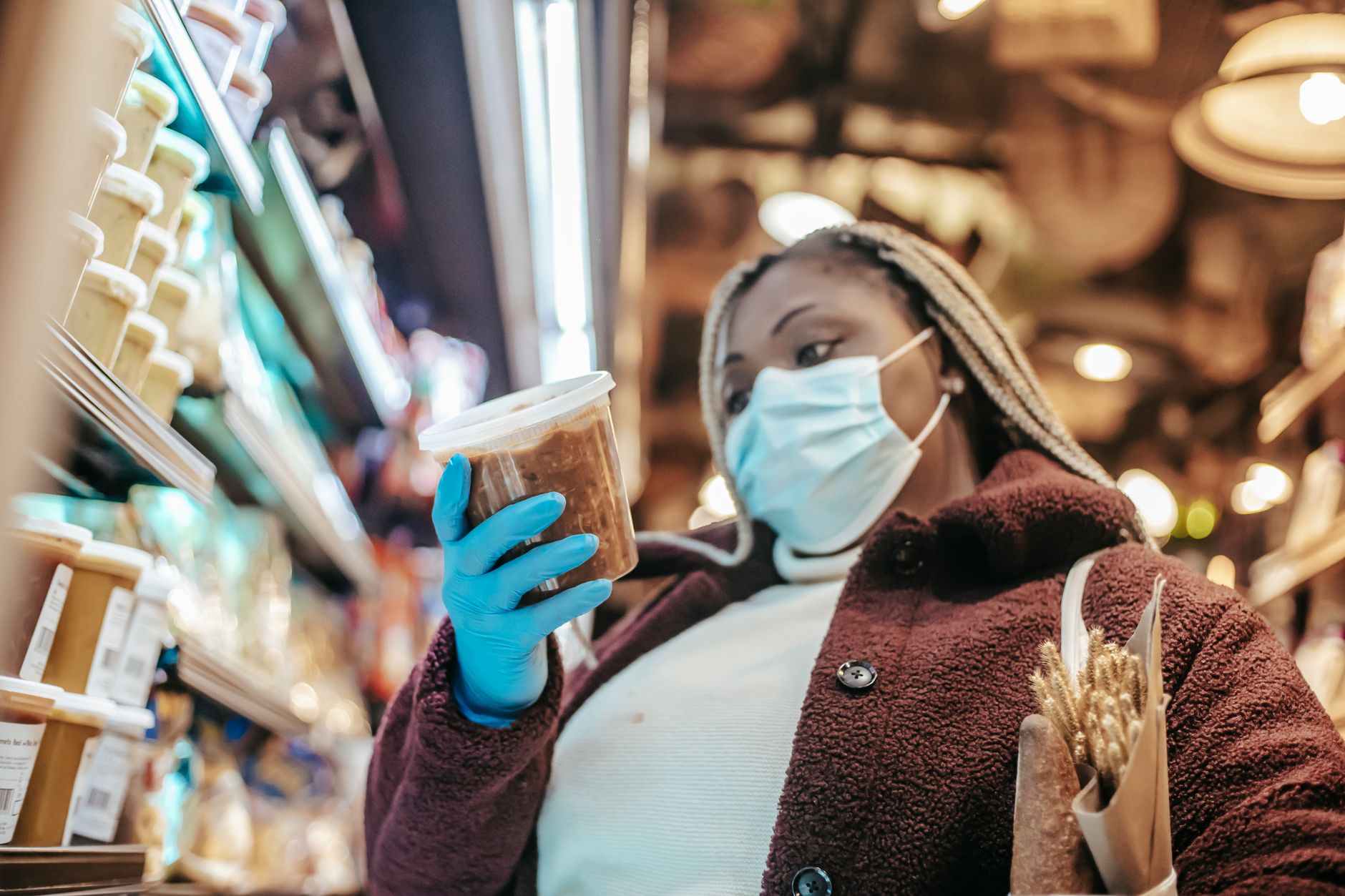

Summer is a time for fresh fruits, colorful salads, and outdoor picnics. However, with the joy of summer meals comes the risk of foodborne illnesses, including cyclospora. This tiny parasite can ruin your summer fun if you’re not careful. Knowing how to keep your food safe is essential, especially with cyclospora becoming more common in certain foods during these warmer months. Let’s dive into what you need to know about cyclospora food safety to stay healthy this summer.
Why This Topic Matters
Cyclospora is not just another foodborne illness; it can cause serious gastrointestinal distress, leading to symptoms like diarrhea, nausea, and fatigue. For many, this can mean days of discomfort and missing out on summer activities. Understanding cyclospora can help you take the necessary precautions to protect yourself and your loved ones. By focusing on food safety, you can enjoy your meals without fear.
Key Things Readers Should Know
Cyclospora is a microscopic parasite that can be found in contaminated food and water. It is often linked to fresh produce, particularly:
- Leafy greens
- Berries
- Herbs
The symptoms typically appear about a week after exposure, making it challenging to pinpoint the source of the infection. Many people may confuse cyclospora with other gastrointestinal infections, which can delay proper treatment.
Practical Tips for Cyclospora Food Safety
1. Wash Your Produce Thoroughly
Always rinse fruits and vegetables under running water. Even if they look clean, dirt and parasites can be hiding:
- Use a vegetable brush for firm produce like potatoes.
- Soak leafy greens in cold water and rinse them well.
2. Be Cautious with Ready-to-Eat Foods
Foods that are ready to eat, like salads from delis or takeout, can be risky. If possible, prepare your meals at home:
- Choose ingredients you can wash thoroughly.
- Avoid pre-packaged salads if you’re unsure of their safety.
3. Store Food Properly
Keep your food safe by storing it correctly:
- Refrigerate leftovers within two hours.
- Keep your fridge below 40°F (4°C).
4. Cook Foods Thoroughly
Cooking food to the right temperature can kill parasites:
- Use a food thermometer to ensure meats reach safe temperatures.
- While cyclospora is not killed by cooking, this is a general food safety guideline.
Personalized Advice for Different Readers
Different lifestyles may require tailored advice:
- Busy Parents: Consider meal prepping on weekends to control food safety.
- Students: Learn to wash and prepare simple meals to avoid pre-packaged options.
- Older Adults: Pay extra attention to food labels and expiration dates.
Safety Tips: Common Mistakes to Avoid
Here are common mistakes to watch out for:
- Not washing hands before handling food.
- Ignoring food recalls related to cyclospora outbreaks.
- Consuming food past its expiration date.
Always stay informed about food safety guidelines from trusted sources.
Simple Real-Life Example
Imagine planning a summer picnic with fresh salads and fruit parfaits. You wash your strawberries but forget to wash the leafy greens. Later, you and your family experience stomach cramps. This could have been avoided with proper washing habits. Always wash everything, even if it seems clean!
Quick Checklist for Safe Summer Meals
| Action | Tip |
|---|---|
| Wash Hands | Use soap and water before food prep. |
| Wash Produce | Rinse thoroughly before eating. |
| Cook Food | Ensure meats reach safe temperatures. |
| Store Leftovers | Refrigerate within two hours. |
| Stay Informed | Check for food recalls regularly. |
Frequently Asked Questions
What are the symptoms of cyclospora infection?
Symptoms include watery diarrhea, stomach cramps, nausea, and fatigue that can last for weeks.
How can I prevent cyclospora contamination?
Wash all fruits and vegetables thoroughly and be cautious with ready-to-eat foods.
Is cooking effective against cyclospora?
While cooking can kill many pathogens, cyclospora is resistant, so proper washing is key.
What should I do if I think I have cyclospora?
Consult a healthcare professional for proper testing and guidance.
Are there specific foods to avoid?
Avoid unwashed leafy greens and pre-packaged salads from unknown sources.
By keeping these tips in mind, you can enjoy your summer meals while staying safe from cyclospora and other foodborne illnesses. Make it a habit to wash your produce and stay updated on food safety practices. This way, you can focus on what truly matters—enjoying time with family and friends.
Disclaimer: This article is for general informational purposes only and should not be considered medical advice. Please consult a qualified healthcare professional before making health-related decisions.