
As the summer sun shines brightly, many of us look forward to outdoor activities and vacations. However, in the excitement of summer, we often overlook one crucial aspect of our well-being: staying properly hydrated. Many people make common summer hydration mistakes that can leave them feeling tired and drained. Understanding these mistakes and learning effective hydration tips can help you maintain your energy levels and enjoy summer to the fullest.
Why This Topic Matters
Staying hydrated is essential for our bodies, especially during the hot summer months. Proper hydration supports our energy levels, helps regulate body temperature, and keeps our organs functioning optimally. When we don’t drink enough fluids, we risk dehydration, which can lead to fatigue, headaches, and even decreased concentration. By avoiding summer hydration mistakes, you can enhance your overall summer health and develop better wellness habits.
Key Things Readers Should Know
Hydration isn’t just about drinking water. It involves understanding how much fluid your body needs based on various factors, including your activity level, the climate, and your overall health. Many people mistakenly believe that sugary drinks or caffeinated beverages count towards their daily hydration needs. In reality, these can contribute to dehydration rather than help. Aim to make water your primary source of hydration, and consider incorporating hydrating foods, such as fruits and vegetables, into your diet.
Practical Tips to Stay Hydrated
1. Drink Water Regularly
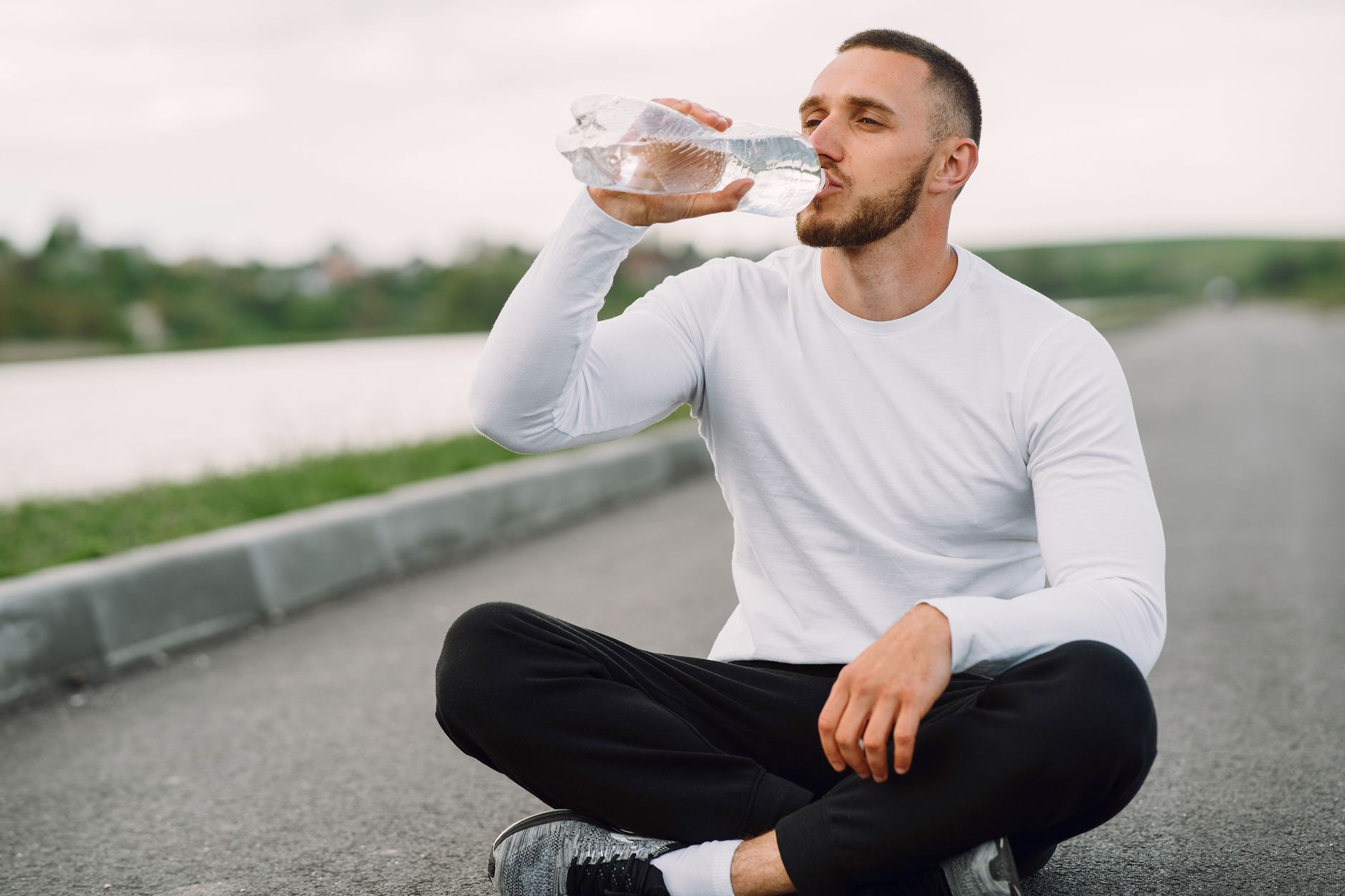
Don’t wait until you’re thirsty to drink. Make it a habit to sip water throughout the day. Here are some tips:
- Keep a reusable water bottle with you.
- Set reminders on your phone to drink water.
- Infuse your water with fruits or herbs for added flavor.
2. Monitor Your Fluid Intake
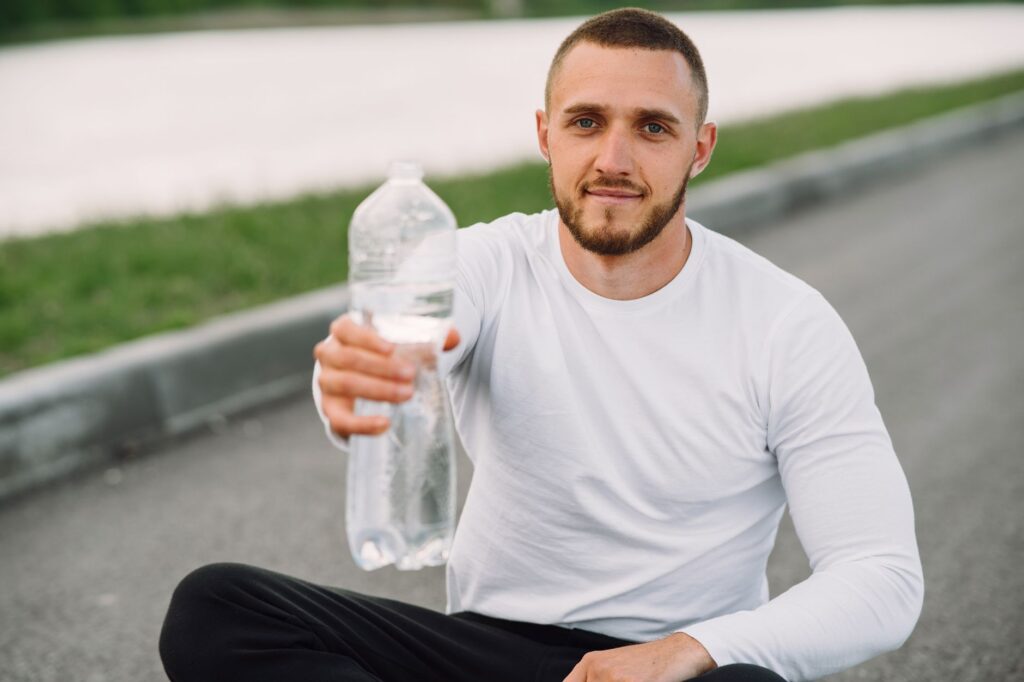
Keep track of how much water you consume. A general guideline is to drink at least 8 cups (64 ounces) of water daily, but this may vary:
- Increase intake if you’re exercising or spending time outdoors.
- Adjust based on your body size and climate conditions.
3. Consume Hydrating Foods
Fruits and vegetables can boost your hydration. Consider adding:
- Watermelon
- Cucumbers
- Oranges
- Strawberries
4. Avoid Alcohol and Caffeine
While it’s fine to enjoy these in moderation, both alcohol and caffeinated drinks can lead to dehydration. Balance them with extra water.
Personalized Advice for Different Readers
Here are tailored hydration tips for various groups:
- Busy Professionals: Keep a water bottle at your desk and set hourly reminders to take a sip.
- Active Individuals: Increase water intake before, during, and after workouts to replenish lost fluids.
- Parents: Encourage your children to drink water by making it fun—use colorful cups or add fruit slices.
- Older Adults: Monitor fluid intake closely, as thirst signals may diminish with age.
Common Summer Hydration Mistakes
Beware of these common mistakes that could lead to fatigue:
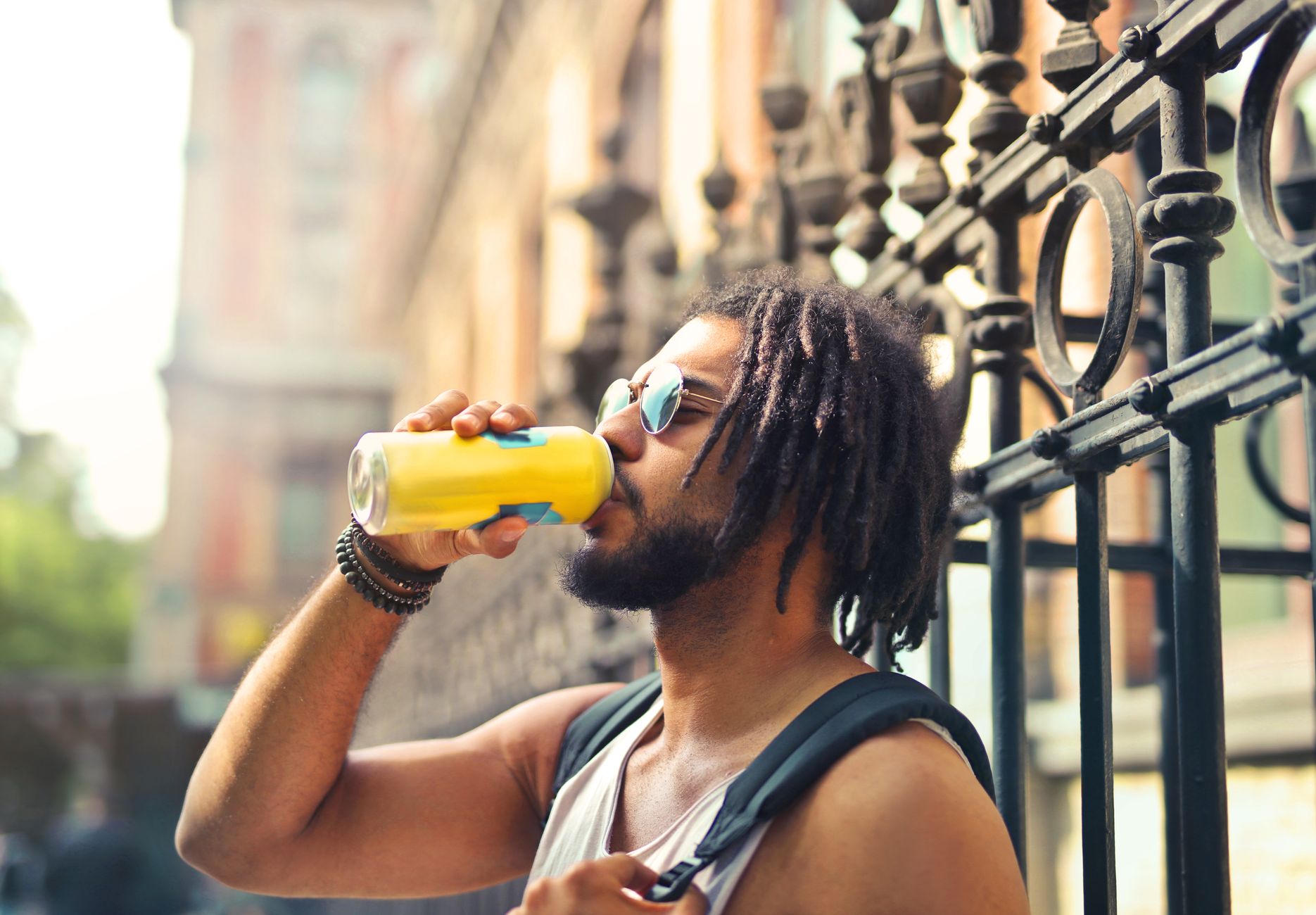
- Relying on Sugary Drinks: Sodas and sweetened beverages often dehydrate you rather than hydrate.
- Ignoring Signs of Thirst: If you’re thirsty, your body is already signaling that it needs water.
- Neglecting Electrolytes: During intense heat or exercise, replenish electrolytes lost through sweat.
Simple Real-Life Example
Consider Sarah, a busy working mom who often forgets to drink water while juggling her job and family. One hot summer day, she felt unusually tired and sluggish. After realizing she hadn’t had much water, she made an effort to keep her water bottle with her at all times. By regularly sipping throughout the day, she noticed an immediate boost in her energy levels and mood.
Quick Hydration Action Plan
| Time | Action |
|---|---|
| Morning | Start your day with a glass of water. |
| Midday | Refill your water bottle and aim for another 2 cups. |
| Afternoon | Snack on hydrating fruits or veggies. |
| Evening | Drink water during dinner and before bed. |
Frequently Asked Questions
How much water should I drink in summer?
Aim for at least 8 cups (64 ounces), but increase based on activity and heat.
Can I hydrate with coffee or tea?
In moderation, but balance with water as they can be dehydrating.
What are signs of dehydration?
Thirst, dry mouth, fatigue, and dark urine indicate dehydration.
Are sports drinks necessary for hydration?
They can be helpful during intense exercise, but water is usually sufficient for everyday hydration.
How can I encourage my kids to drink more water?
Make it fun with colorful cups, flavored water, or water-rich snacks.
Staying hydrated during the summer is key to maintaining your energy and overall health. By avoiding common summer hydration mistakes and following these practical tips, you can feel your best and enjoy all that summer has to offer. Start by taking a small step today—grab that water bottle and take a sip!
Disclaimer: This article is for general informational purposes only and should not be considered medical advice. Please consult a qualified healthcare professional before making health-related decisions.