
As the leaves change color and the air turns crisp, many of us feel a shift in our energy and mood. The fall season brings its own set of challenges, from shorter days to the hustle and bustle of the holiday season. It’s essential to focus on self-care practices this fall to boost your wellness and maintain a healthy mental state. Here are eight essential practices to help you embrace the season and enhance your overall well-being.
Why This Topic Matters
Self-care is not just a trend; it’s a vital part of maintaining our mental and emotional health. As we transition into fall, the changes in weather and daylight can impact our mood and energy levels. By prioritizing self-care, we can combat seasonal affective disorder (SAD), reduce stress, and improve our overall quality of life. Establishing a routine of self-care practices this fall can help you stay grounded and connected to yourself.
Key Things Readers Should Know
Self-care refers to activities that we engage in to take care of our mental, emotional, and physical well-being. During the fall, it’s crucial to adapt our self-care routines to align with the changing seasons. This can include adjusting your diet, incorporating more outdoor activities, or simply taking time to reflect and recharge. Understanding the importance of seasonal habits can set you on a path to better mental health.
Practical Tips for Self-Care Practices This Fall
1. Embrace Nature
Take advantage of the beautiful fall scenery. Go for walks, hikes, or picnics in the park. Being outdoors can boost your mood and provide a sense of calm.
2. Create a Cozy Environment
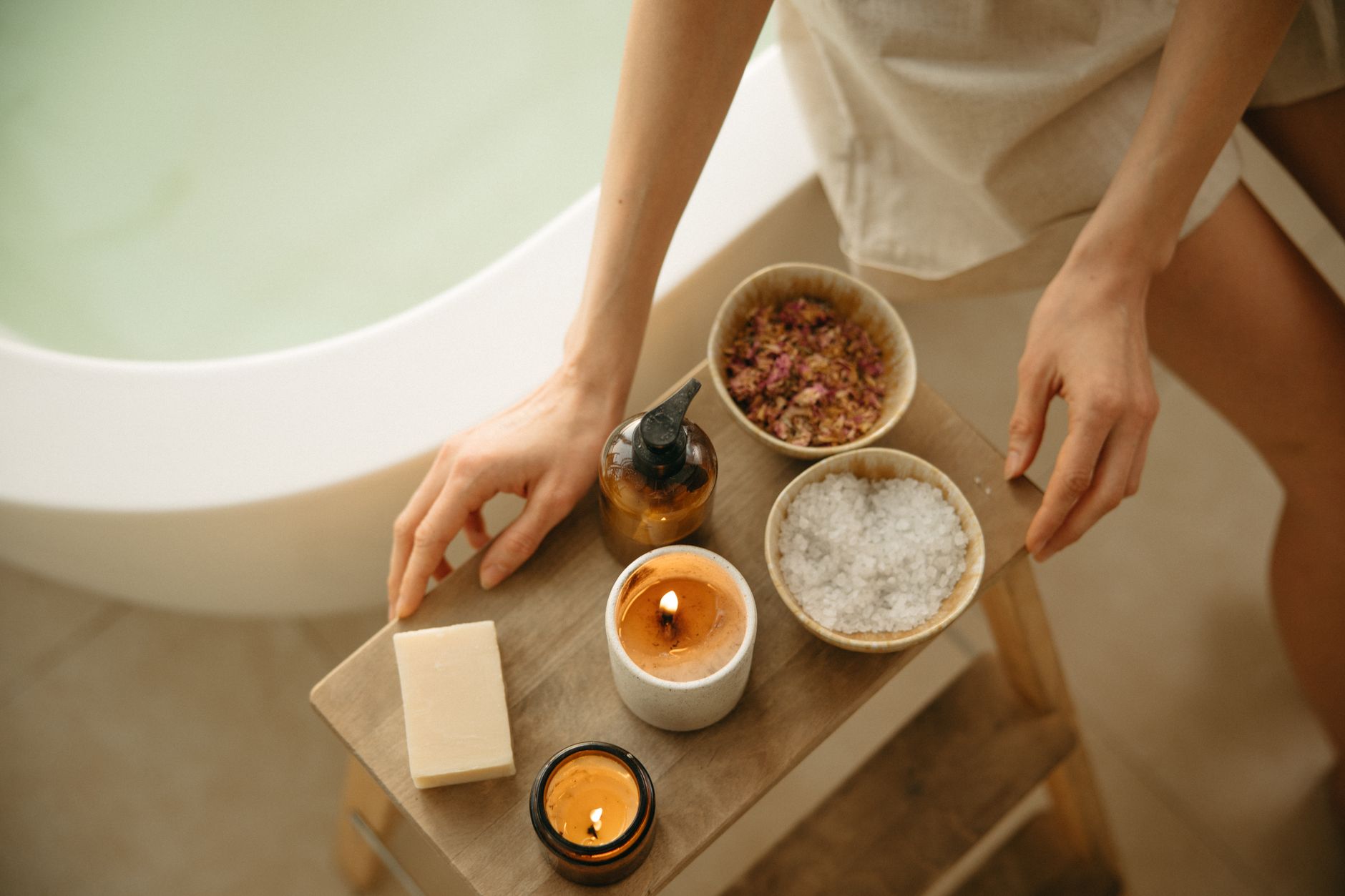
As the weather cools down, make your space inviting. Light candles, use warm colors in your decor, and enjoy cozy blankets. A comfortable environment can enhance your relaxation.

3. Adjust Your Nutrition
Focus on seasonal foods like pumpkins, apples, and squash. These foods are not only nutritious but can also be comforting during the cooler months. Try to cook more at home and explore new fall recipes.
4. Practice Mindfulness
Incorporate mindfulness practices into your routine. This can be through meditation, journaling, or simply spending quiet moments reflecting. Mindfulness helps reduce stress and improves mental clarity.
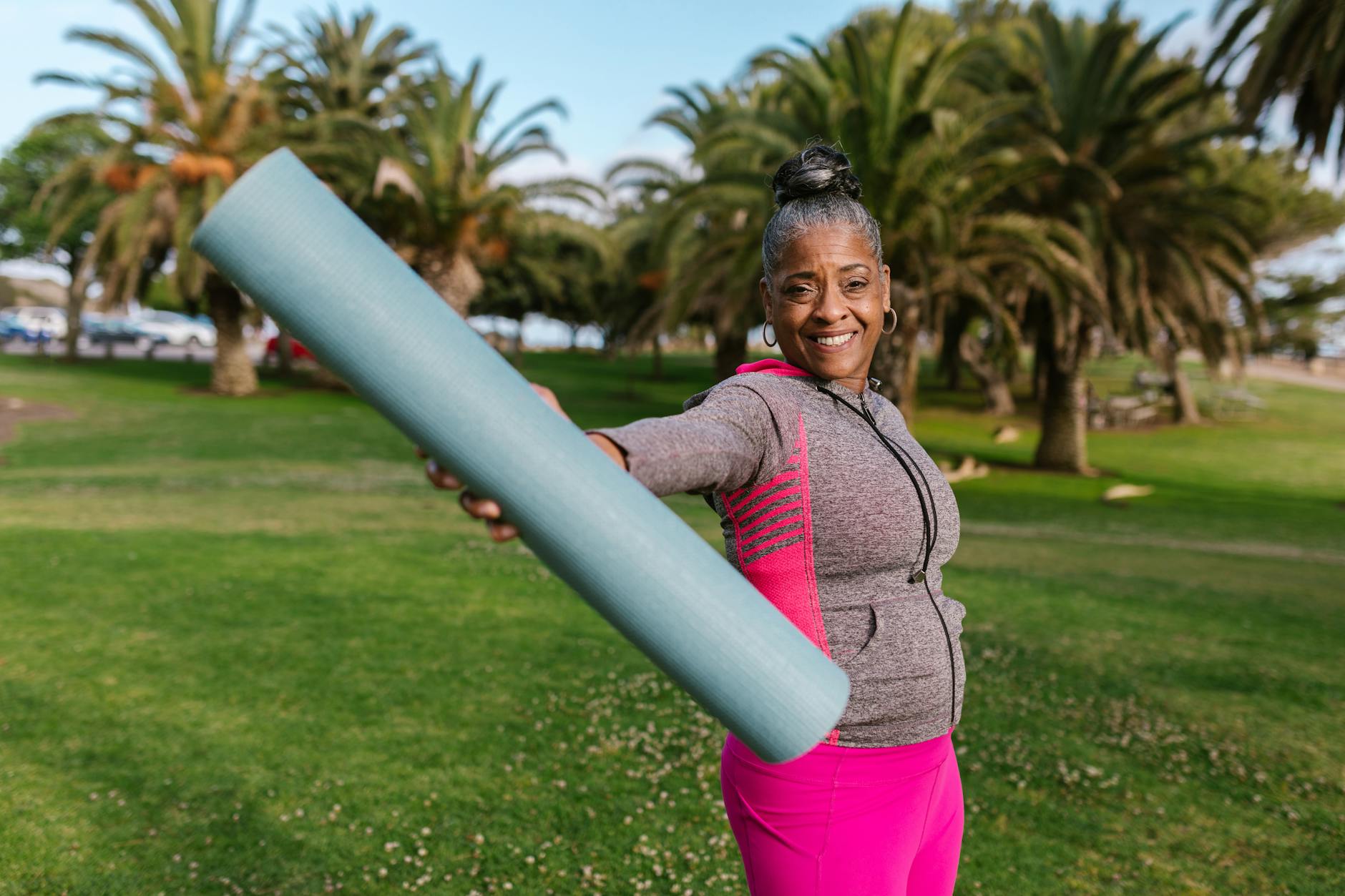
5. Stay Active
Find ways to stay active that you enjoy. Whether it’s yoga, dancing, or outdoor sports, staying physically active is vital for both physical and mental health.
6. Connect with Others
Social connections are crucial for emotional well-being. Plan gatherings with friends or family, or reach out to someone you haven’t spoken to in a while. Sharing experiences can uplift your mood.
7. Prioritize Sleep
As the days get shorter, prioritize getting enough sleep. Create a bedtime routine that helps you wind down and prepares you for a good night’s rest. Quality sleep is essential for mental health.
8. Reflect and Set Intentions
Take time to reflect on your goals and intentions for the season. Write them down and revisit them regularly. Setting intentions can provide direction and motivation.
Personalized Advice for Different Readers
Whether you’re a busy professional, a student, or a parent, self-care can fit into your life:
- Busy Professionals: Schedule short breaks throughout your day to recharge.
- Students: Practice time management to reduce stress and make time for self-care.
- Parents: Involve your kids in outdoor activities or create a family self-care routine.
Safety, Mistakes, or Things to Avoid
Be cautious of overcommitting. It’s easy to get caught up in plans during the fall, but remember to make time for yourself. Avoid comparing your self-care routine to others; what works for someone else may not work for you. Always listen to your body and mind, and consult a professional if you feel overwhelmed.
Simple Real-Life Example
Consider Sarah, a busy mother of two. Last fall, she felt drained and disconnected. This year, she decided to implement a simple self-care routine. Each week, she sets aside one evening for a cozy bath and a good book. On weekends, she takes her family for nature walks. By prioritizing these moments, she feels more balanced and connected to her family and herself.
Quick Checklist for Fall Self-Care
| Self-Care Practice | Frequency |
|---|---|
| Nature Walks | 2-3 times a week |
| Mindfulness Practice | Daily |
| Cozy Environment Setup | Once a season |
| Social Connections | Weekly |
| Nutrition Focus | Daily |
Frequently Asked Questions
What are some simple self-care practices I can start today?
You can start with simple practices like going for a walk, journaling, or enjoying a warm bath.
How can self-care improve my mental health?
Self-care allows you to recharge, reduces stress, and helps you connect with your emotions, improving overall mental health.
Is self-care selfish?
No, self-care is essential for maintaining your well-being. Taking care of yourself enables you to care for others better.
Can self-care practices be done at home?
Absolutely! Many self-care practices, like meditation, reading, or cooking, can be done at home.
How often should I practice self-care?
It’s best to incorporate self-care into your daily routine, even if it’s just for a few minutes each day.
As you embrace the beautiful fall season, remember to prioritize your well-being. Implementing these self-care practices can help you feel more grounded and connected. Start with one practice today and watch your wellness improve.
Disclaimer: This article is for general informational purposes only and should not be considered medical advice. Please consult a qualified healthcare professional before making health-related decisions.