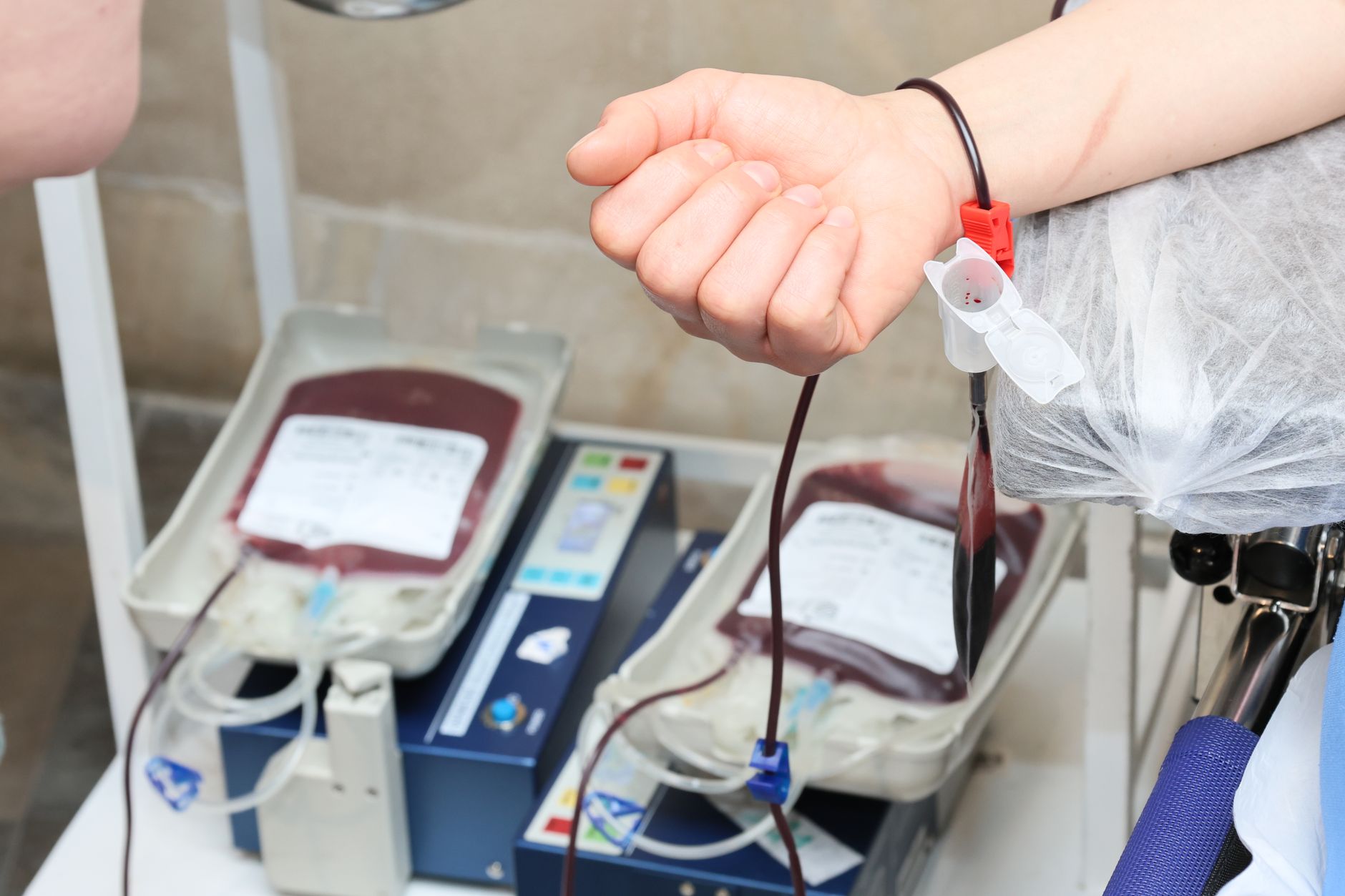

Many people face tough health decisions, especially when it comes to procedures like blood transfusions. For Jehovah’s Witnesses, this can be particularly complex due to their deeply held beliefs. Understanding Jehovah’s Witness blood transfusion beliefs is essential for healthcare providers and patients alike. This article will explore these beliefs, the alternatives available, and how they impact healthcare decisions.
Why This Topic Matters
Blood transfusions are common in medical practice, often saving lives in emergencies. However, for Jehovah’s Witnesses, accepting blood is against their religious beliefs. This can create significant challenges in healthcare settings. Understanding these beliefs is crucial not only for medical professionals but also for patients who may be making decisions about their care. Knowing the options available is vital for respecting personal choices while ensuring safety.
Key Things Readers Should Know
Jehovah’s Witnesses believe that accepting blood transfusions goes against the Bible’s teachings. They refer to scriptures such as Acts 15:28-29, which encourages abstaining from blood. This belief can lead to difficult healthcare choices, particularly in life-threatening situations. However, it’s important to note that Jehovah’s Witnesses do accept some blood fractions and non-blood alternatives.
Practical Tips for Healthcare Decisions
1. Understand the Beliefs
When interacting with Jehovah’s Witness patients, it’s essential to respect their beliefs:
- Ask about their preferences regarding blood transfusions early in treatment.
- Provide information on medical options that align with their beliefs.
- Involve them in discussions about their care and treatment plans.
2. Explore Blood Transfusion Alternatives
There are various blood transfusion alternatives that Jehovah’s Witnesses may accept. Consider these options:
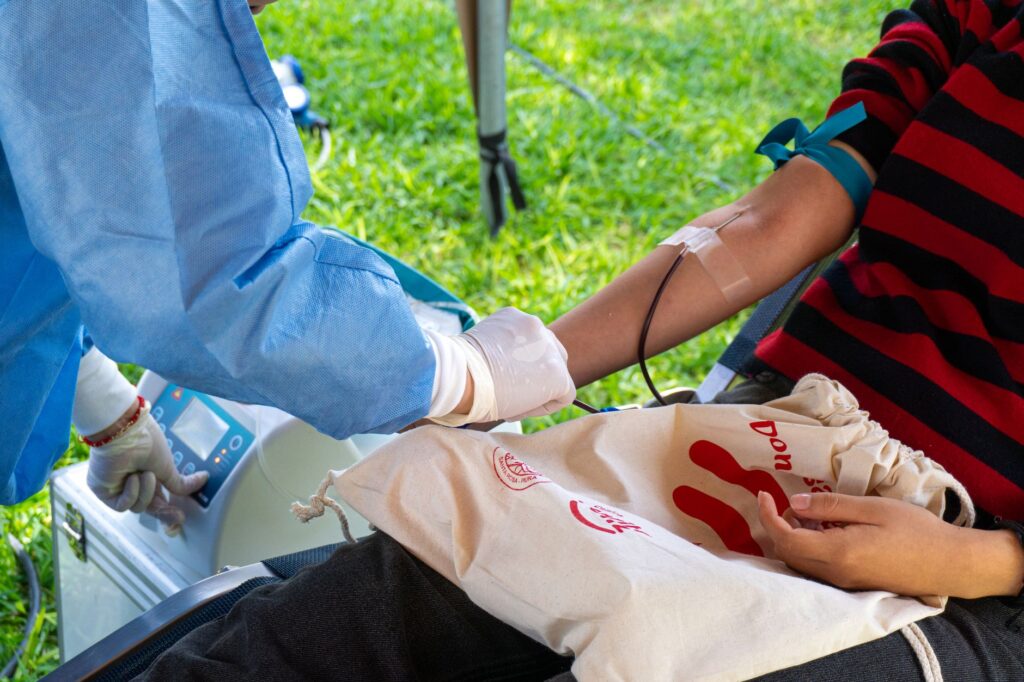
- Volume expanders: Solutions like saline or Ringer’s lactate can help maintain blood volume.
- Blood substitutes: These are artificial products designed to perform some functions of blood.
- Cell saver technology: This method collects and reinfuses a patient’s own blood during surgery.
3. Communicate Clearly
Effective communication is key:
- Use simple language when discussing medical procedures.
- Ensure the patient fully understands their options before making a decision.
- Encourage questions and be available to discuss concerns.
Personalized Advice for Different Readers
If you are:
- A Parent: Talk to your child about their beliefs regarding medical treatments and prepare them for healthcare interactions.
- A Busy Person: Keep a personal health record that includes your preferences about blood transfusions for quick reference in emergencies.
- An Older Adult: Discuss your healthcare wishes with family members and ensure they understand your preferences regarding blood transfusions.
Safety, Common Mistakes, and Things to Avoid
It’s essential to approach this topic with care:
- Do not assume all Jehovah’s Witnesses have the same views on blood.
- Avoid pressuring patients to accept blood transfusions.
- Be aware that refusing blood can be a deeply personal decision linked to faith.
Simple Real-Life Example
Consider the case of Sarah, a 32-year-old Jehovah’s Witness who faced surgery after a serious car accident. Her doctors discussed her options and respected her beliefs by presenting non-blood alternatives. With the help of cell saver technology, Sarah received her own blood back during surgery, allowing her to recover without compromising her faith.
Quick Checklist for Healthcare Providers
| Step | Action |
|---|---|
| 1 | Ask about blood transfusion preferences early. |
| 2 | Provide information on acceptable alternatives. |
| 3 | Involve patients in care discussions. |
| 4 | Use clear communication throughout. |
Frequently Asked Questions
What do Jehovah’s Witnesses believe about blood transfusions?
They believe that accepting blood transfusions is against biblical teachings.
What are some alternatives to blood transfusions?
Alternatives include volume expanders, blood substitutes, and cell saver technology.
Can Jehovah’s Witnesses accept blood fractions?
Yes, they may accept certain blood fractions, such as immunoglobulins.
How should healthcare providers approach Jehovah’s Witness patients?
Providers should communicate clearly, respect beliefs, and explore alternatives.
What should patients do if they are Jehovah’s Witnesses?
Patients should discuss their preferences with healthcare providers and prepare a living will if necessary.
Respecting Jehovah’s Witness blood transfusion beliefs is essential in healthcare settings. Understanding these beliefs allows healthcare providers to offer compassionate care while respecting patient rights. If you or someone you know is faced with such decisions, take the time to explore all options available. Empower yourself with knowledge and communicate openly with your healthcare team.
Disclaimer: This article is for general informational purposes only and should not be considered medical advice. Please consult a qualified healthcare professional before making health-related decisions.