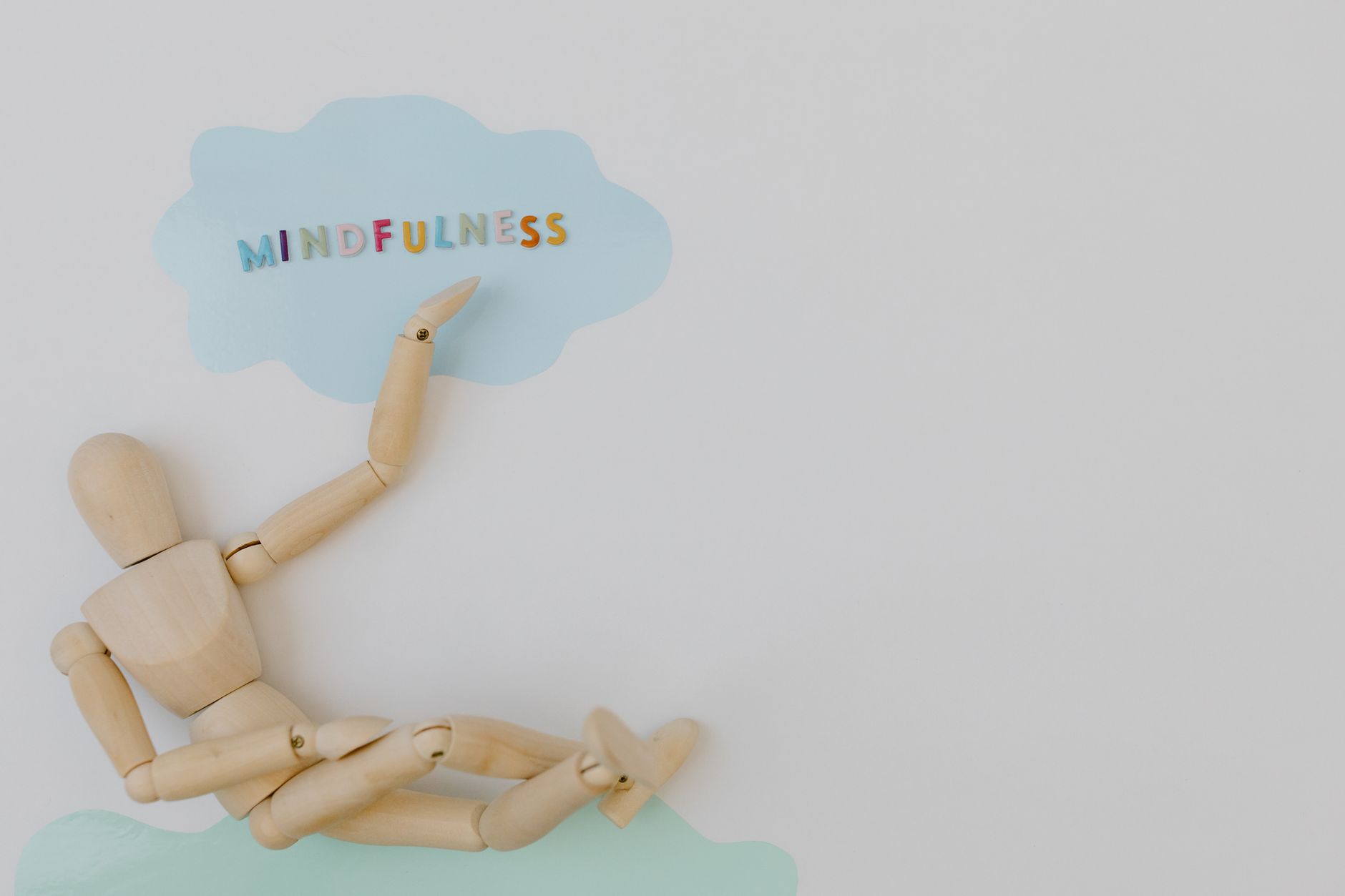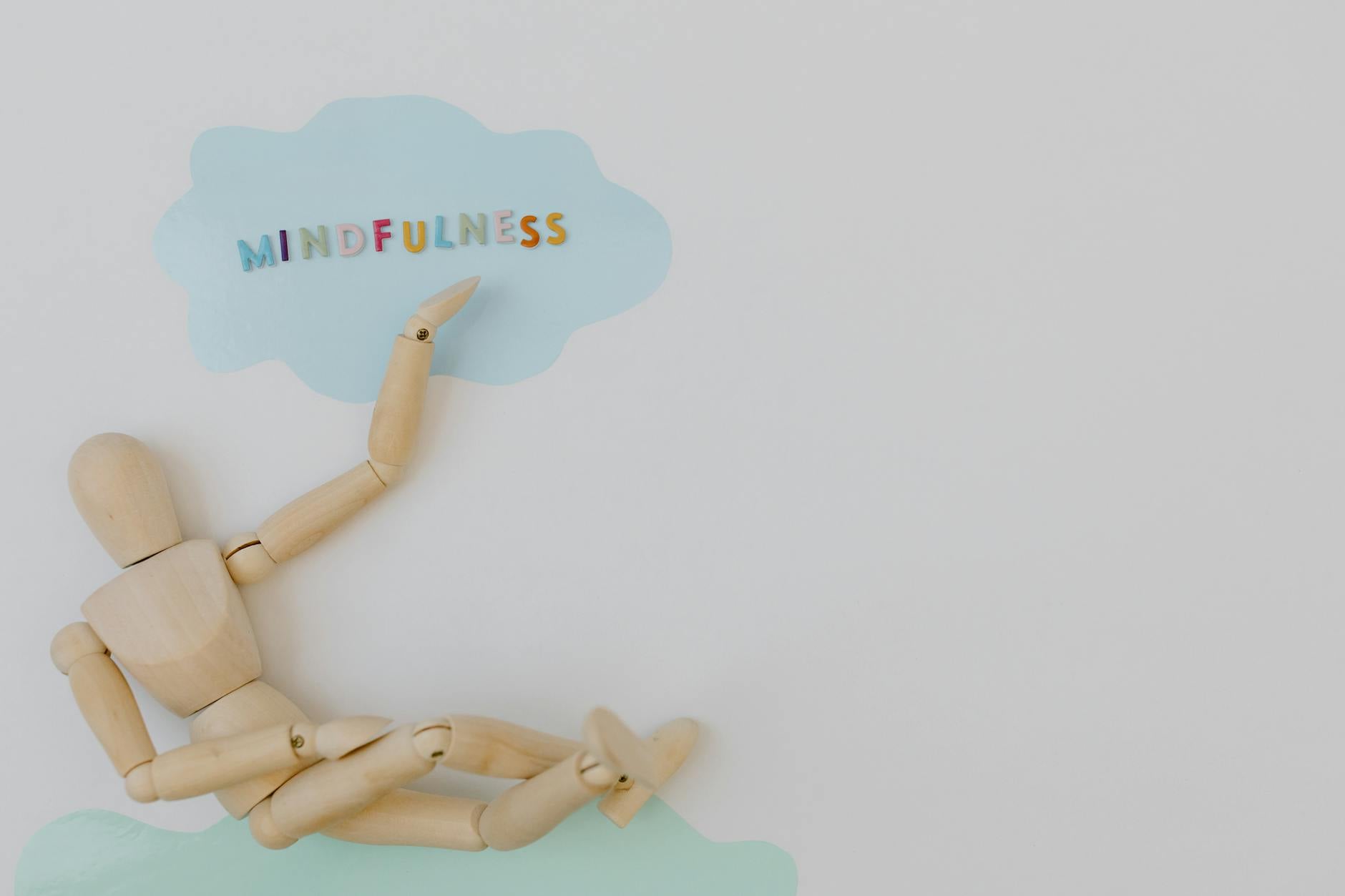

As the days grow longer and the flowers begin to bloom, spring brings a sense of renewal and hope. Yet, for many of us, the hustle and bustle of life can turn this beautiful season into a source of stress. If you find yourself overwhelmed, embracing mindfulness may be the key to effective stress relief. Mindfulness practices help you focus on the present moment, allowing you to manage stress better and improve your overall mental health.
Why This Topic Matters
Mindfulness is more than just a trend; it’s a powerful tool that can help you navigate daily challenges. By practicing mindfulness, you can reduce anxiety, improve your mood, and enhance your emotional resilience. When you focus on the present, you become more aware of your thoughts and feelings, which can lead to better decision-making and a greater sense of control over your life. This spring, as you embrace the changes around you, consider how mindfulness can positively impact your mental health.
Key Things Readers Should Know
At its core, mindfulness involves paying attention to your thoughts, feelings, and surroundings without judgment. It encourages you to observe your experiences in the moment, rather than worrying about the past or future. Here are some key points to understand:
- Mindfulness is accessible: You don’t need special training or equipment to begin. A few minutes each day can make a difference.
- It enhances self-awareness: By tuning into your thoughts and feelings, you can gain insights into your stress triggers and how to manage them.
- It promotes relaxation: Mindfulness techniques can activate your body’s relaxation response, helping to reduce physical symptoms of stress.
Practical Tips for Incorporating Mindfulness
1. Start with Breathing Exercises
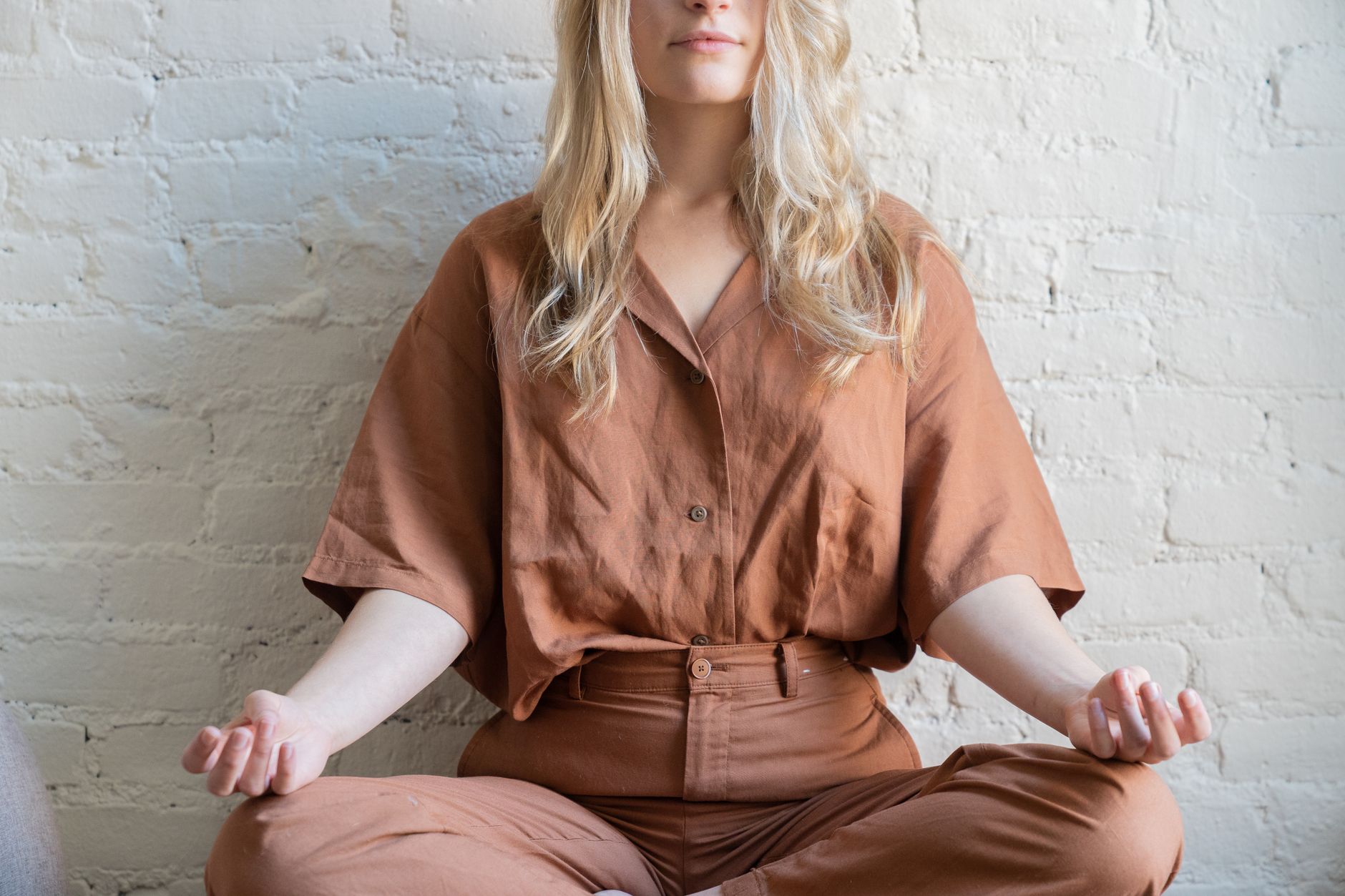
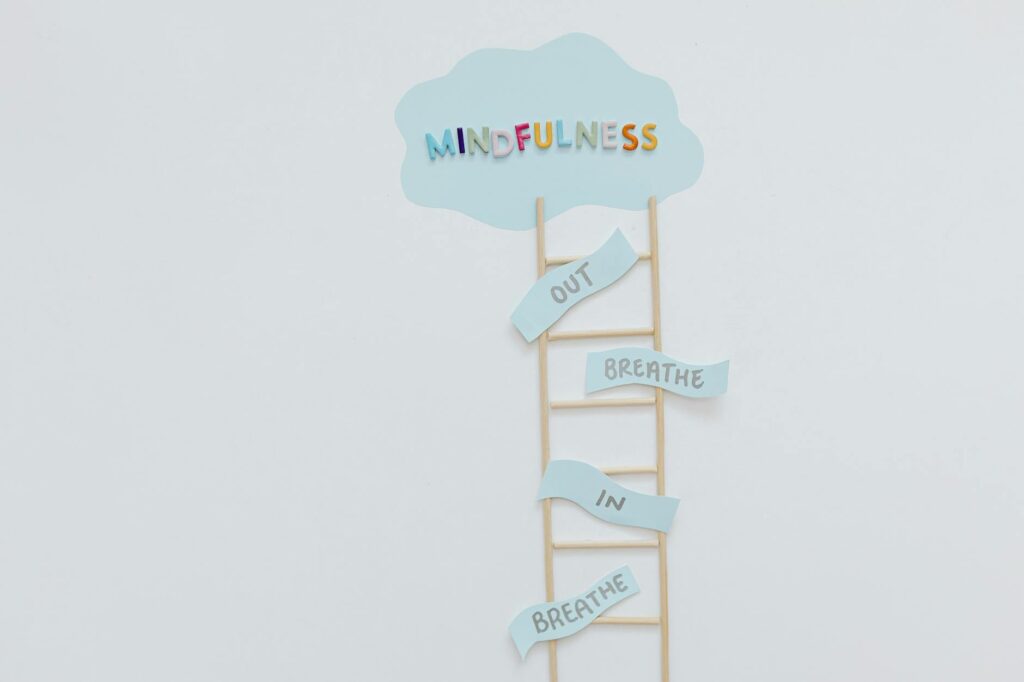
Begin your mindfulness journey with simple breathing exercises. Here’s how:
- Find a quiet place to sit comfortably.
- Close your eyes and take a deep breath in through your nose, allowing your abdomen to expand.
- Hold your breath for a moment, then exhale slowly through your mouth.
- Repeat this for a few minutes, focusing solely on your breath.
2. Practice Mindful Walking
Walking can be a great opportunity to practice mindfulness. As you walk:
- Pay attention to the sensations in your feet and legs.
- Notice the sounds around you—birds chirping, leaves rustling.
- Observe the colors and shapes of the flowers and trees.
3. Set Aside Time for Mindfulness Meditation
Try to dedicate 5-10 minutes each day for mindfulness meditation. You can use guided meditations available online or simply sit in silence and focus on your breath.
4. Incorporate Mindfulness into Daily Activities
Whether you’re eating, washing dishes, or taking a shower, practice being fully present in those moments. Notice the texture, smell, and taste of your food, or the warmth of the water against your skin.
Personalized Advice for Different Readers
Here’s how different groups can benefit from mindfulness:
- Busy People: Even a few minutes of mindfulness during your commute can help reduce stress.
- Parents: Mindfulness can help you manage parenting stress and improve your patience.
- Students: Practice mindfulness before exams to calm your nerves and improve focus.
- Older Adults: Gentle mindfulness practices can enhance well-being and mental clarity.
Common Mistakes to Avoid
While practicing mindfulness, avoid these common mistakes:
- Expecting immediate results—mindfulness is a skill that takes time to develop.
- Being too hard on yourself if your mind wanders; gently guide your focus back to the present.
- Rushing through your practice—take your time and savor the experience.
Simple Real-Life Example
Consider Sarah, a working mother who often felt overwhelmed by her daily responsibilities. This spring, she decided to integrate mindfulness into her routine. Each morning, she took five minutes to practice mindful breathing before her kids woke up. Over time, she noticed she felt calmer and more present throughout her day, even during stressful moments. This simple shift helped her manage her stress and enjoy her family time more.
Quick Checklist for Mindfulness Practice
| Action | Frequency |
|---|---|
| Breathing exercises | Daily |
| Mindful walking | 3 times a week |
| Mindfulness meditation | 5-10 minutes daily |
| Mindfulness during meals | Every meal |
Frequently Asked Questions
What is mindfulness?
Mindfulness is the practice of being present and fully engaged in the moment, without judgment.
How can mindfulness help with stress relief?
Mindfulness helps you manage stress by promoting relaxation and increasing self-awareness.
Can anyone practice mindfulness?
Yes, mindfulness is accessible to everyone, regardless of age or experience.
How long should I practice mindfulness each day?
Even a few minutes a day can make a difference; aim for 5-10 minutes to start.
Is mindfulness the same as meditation?
Mindfulness is a broader concept that includes meditation as one of its practices.
This spring, take a moment to embrace mindfulness. Start with small steps, and over time, you’ll find it easier to manage stress and enhance your mental health. Remember, the journey to mindfulness is personal, and every little bit counts. Consider trying one of the tips mentioned here today, and see how it can transform your daily life.
Disclaimer: This article is for general informational purposes only and should not be considered medical advice. Please consult a qualified healthcare professional before making health-related decisions.