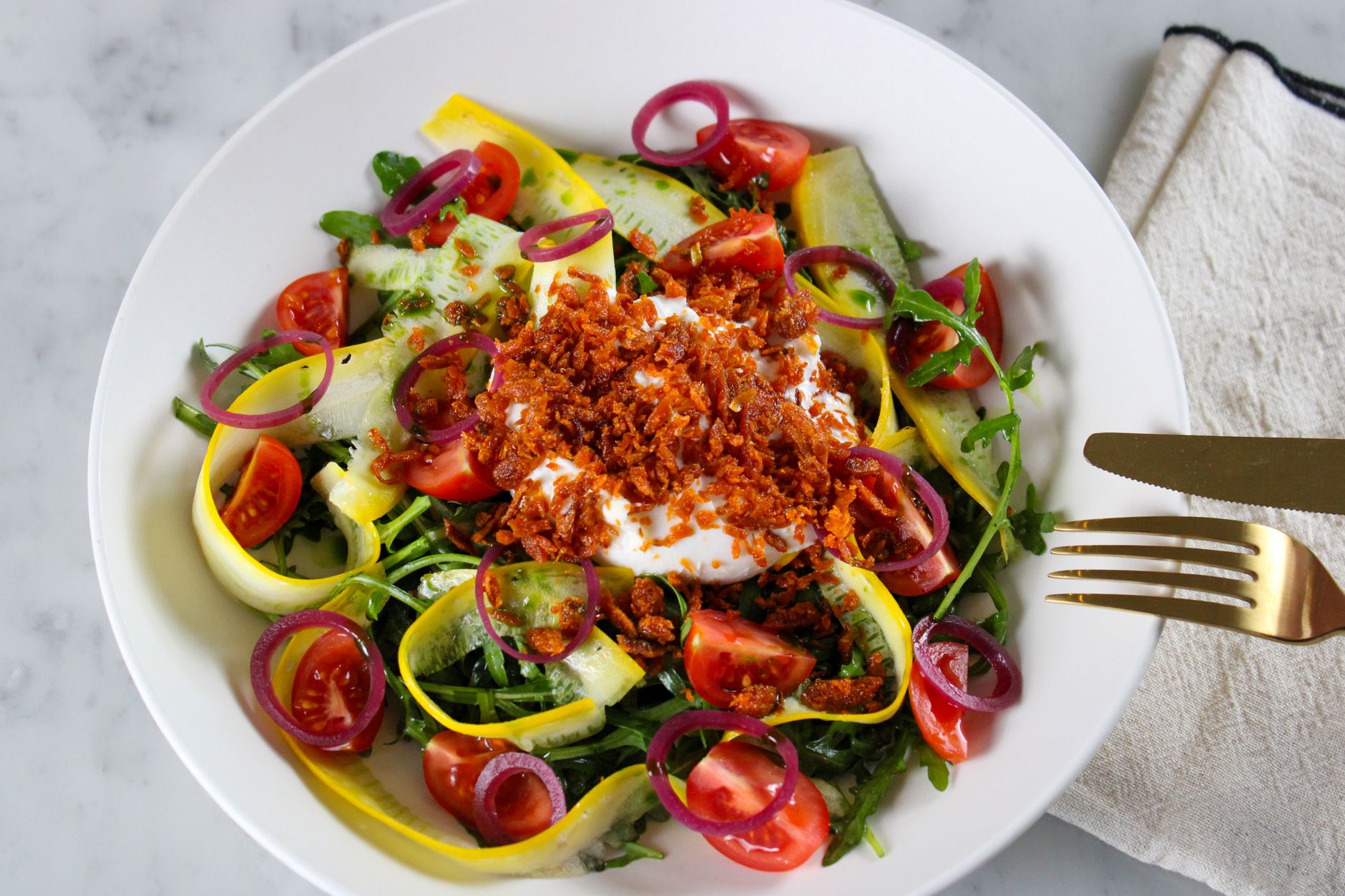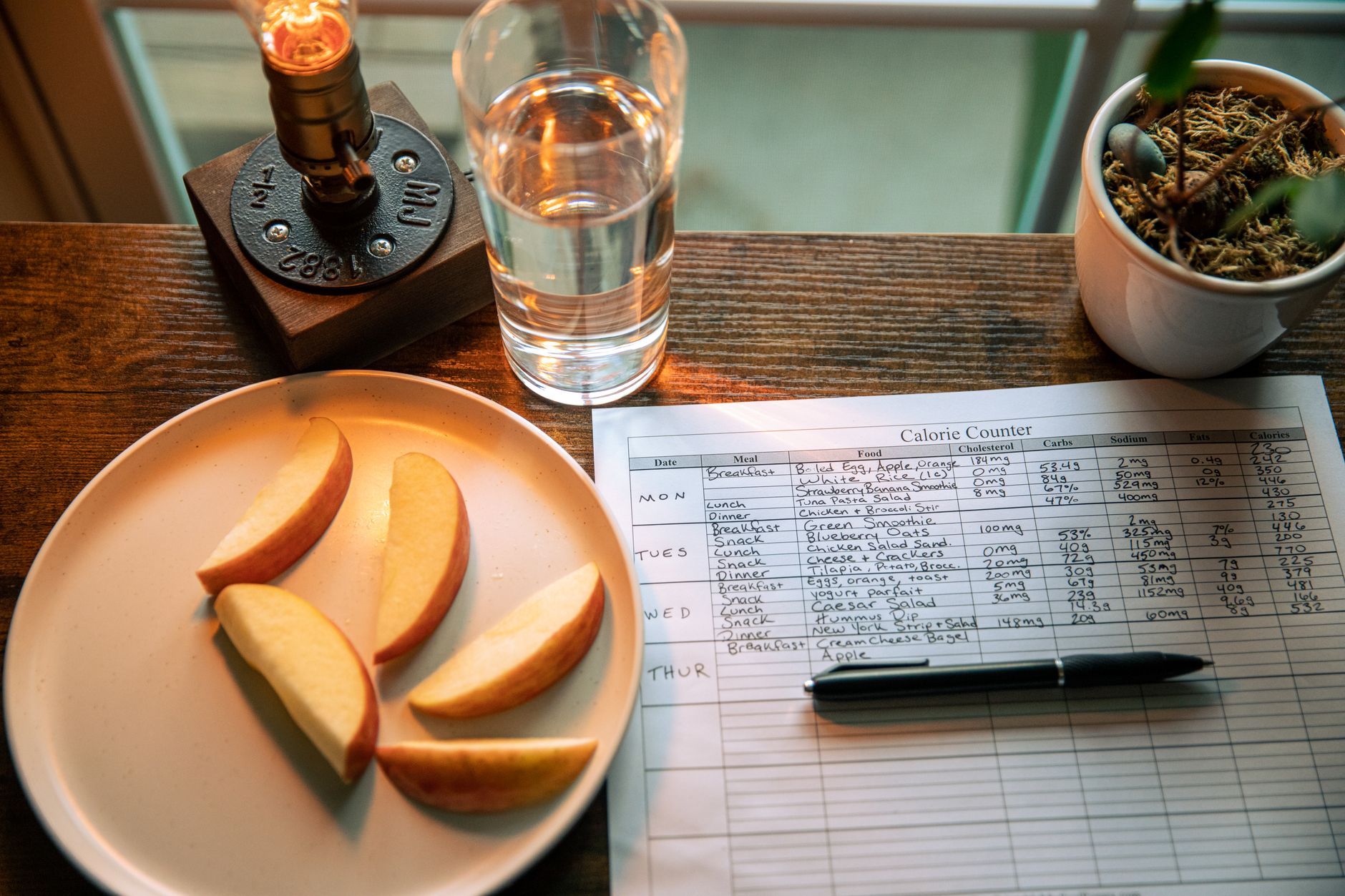

As summer approaches, the days get longer, and the sun shines brighter. Many of us look forward to outdoor activities, barbecues, and fresh produce. However, you might find it challenging to maintain a healthy diet while enjoying all the delicious summer foods. Crafting a balanced summer meal plan can make a significant difference in your health and energy levels. This article will guide you through creating a summer meal plan that incorporates seasonal foods, ensuring you get the nutrients you need while savoring the flavors of the season.
Why This Topic Matters
Eating a balanced diet is essential for overall health. During summer, fresh fruits and vegetables are abundant, making it easier to include nutrient-rich foods in your meals. A well-planned summer meal plan not only helps you stay healthy but can also enhance your mood and energy levels. Seasonal foods are often more flavorful and can inspire you to try new recipes, keeping your meals exciting and enjoyable.
Key Things Readers Should Know
Seasonal foods are those that are harvested at their peak and are readily available during certain times of the year. In summer, this includes a variety of fruits and vegetables like tomatoes, zucchini, berries, corn, and peaches. Incorporating these foods into your summer meal plan can lead to:
- Better flavor and freshness
- Higher nutrient content
- Support for local farmers and reduced environmental impact
Understanding the benefits of a balanced diet is also crucial. A balanced diet includes a variety of foods from different food groups: fruits, vegetables, whole grains, lean proteins, and healthy fats. This combination ensures you receive all the essential vitamins and minerals your body needs.
Practical Tips for Your Summer Meal Plan
1. Plan Your Meals Around Seasonal Foods
Start your meal plan by listing seasonal foods available in your area. Here are some popular summer options:

- Fruits: Strawberries, blueberries, peaches, watermelon
- Vegetables: Bell peppers, cucumbers, carrots, leafy greens
- Proteins: Fish, chicken, legumes
2. Create Balanced Meals
When planning meals, aim for balance. Each meal should have:
- A source of protein (e.g., grilled chicken, beans)
- A variety of colorful vegetables
- A whole grain or healthy carbohydrate (e.g., quinoa, brown rice)
For example, a summer meal could be grilled salmon with a side of quinoa and a fresh salad featuring tomatoes and cucumbers.
3. Meal Prep for Success
Meal prep can save you time and help you stick to your healthy eating goals. Here’s how to get started:
- Choose a day each week to prepare meals.
- Chop vegetables and store them in the fridge for quick access.
- Cook larger portions of proteins and grains to use throughout the week.
- Pack meals in containers for easy grab-and-go options.
Personalized Advice for Different Readers
Whether you’re a busy parent, a working adult, or a student, a summer meal plan can be tailored to fit your lifestyle. Here are some specific tips:
- Busy Parents: Involve your kids in meal prep. Let them choose fruits and veggies at the store and help with simple recipes.
- Working Adults: Prepare meals in bulk on weekends and store them in portioned containers for easy lunches during the week.
- Students: Look for quick, no-cook meals like salads or wraps using fresh ingredients that require minimal preparation.
Common Mistakes to Avoid
While planning a summer meal plan, be mindful of these common mistakes:
- Ignoring portion sizes: Even healthy foods can contribute to weight gain if eaten in excess. Pay attention to serving sizes.
- Relying too much on processed foods: Even in summer, convenience foods can be tempting. Focus on whole, unprocessed foods for better nutrition.
- Not staying hydrated: Hot summer days can lead to dehydration. Make sure to drink plenty of water alongside your meals.
Simple Real-Life Example
Let’s say you’re a busy mom who loves summer but struggles to find time to cook healthy meals. One weekend, you decide to prep meals for the week. You make a large batch of grilled chicken, quinoa, and a colorful vegetable salad. Each day, you grab a container, and you’re ready to go. This not only saves time but also ensures your family eats well during the week.
Quick Checklist for Your Summer Meal Plan
| Task | Status |
|---|---|
| List seasonal foods | ✔️ |
| Create meal plan | ✔️ |
| Meal prep on weekends | ✔️ |
| Involve family in cooking | ✔️ |
| Stay hydrated | ✔️ |
Frequently Asked Questions
What are the benefits of seasonal foods?
Seasonal foods are fresher, tastier, and often more nutritious. They can also support local economies.
How can I make meal prep easier?
Choose a specific day to prep meals, focus on batch cooking, and keep it simple with easy recipes.
Can I create a summer meal plan on a budget?
Yes! Buying seasonal produce usually costs less and planning meals around sales can help you save money.
What are some quick healthy recipes for summer?
Consider salads, smoothies, or grilled veggies and proteins that require minimal cooking.
How often should I change my meal plan?
It’s good to change your meal plan every week or two to keep things interesting and to incorporate different seasonal foods.
Creating a balanced summer meal plan doesn’t have to be overwhelming. By focusing on seasonal foods and planning your meals ahead of time, you can enjoy delicious, nutritious meals all summer long. Start with a simple step today: make a list of seasonal ingredients available in your area and plan your meals around them. Happy cooking!
Disclaimer: This article is for general informational purposes only and should not be considered medical advice. Please consult a qualified healthcare professional before making health-related decisions.