
As summer ends and a new school year begins, many students face the challenge of maintaining healthy eating habits. With busy schedules, homework, and extracurricular activities, it can be easy to reach for unhealthy snacks or skip meals. But healthy eating is crucial for staying focused, energetic, and ready to learn. In this article, we will explore practical healthy eating tips tailored for students, focusing on nutritious snacks and effective meal planning.
Why This Topic Matters
Eating well is not just about avoiding junk food. It plays a significant role in a student’s overall well-being. Proper nutrition supports brain function, improves concentration, and enhances mood. Students who fuel their bodies with wholesome foods are more likely to perform better academically and enjoy a more active lifestyle. Understanding the importance of healthy eating tips can empower students to make better food choices, leading to lasting benefits.
Key Things Readers Should Know
Healthy eating involves consuming a variety of foods that provide essential nutrients. Here are some key points to remember:
- Balanced Diet: Aim for a mix of fruits, vegetables, whole grains, proteins, and healthy fats.
- Hydration: Drink plenty of water throughout the day to stay hydrated.
- Portion Control: Be mindful of portion sizes to avoid overeating.
- Meal Timing: Regular meals help maintain energy levels and focus.
Practical Tips for Healthy Eating
1. Meal Planning
One of the best ways to ensure healthy eating is through meal planning. Here are some steps to get started:
- Set a Day: Choose one day a week to plan meals. A Sunday works well for many.
- Choose Recipes: Look for simple, healthy recipes that can be made in batches.
- Make a Shopping List: Write down all the ingredients you need for the week.
- Prep Ahead: Prepare meals or ingredients in advance to save time during busy weekdays.
2. Smart Snacking
Healthy snacks can keep energy levels up throughout the day. Here are some nutritious options:

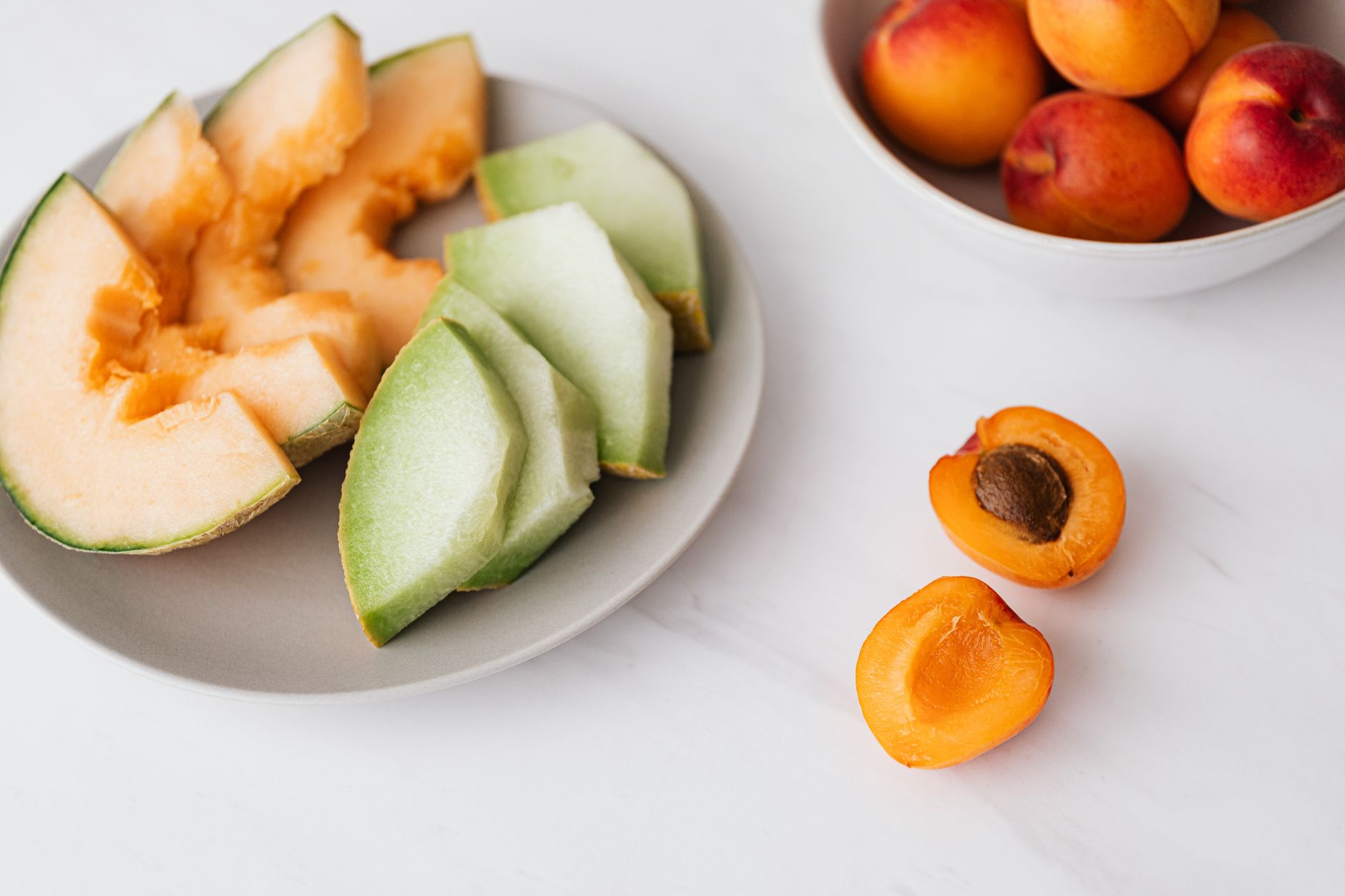
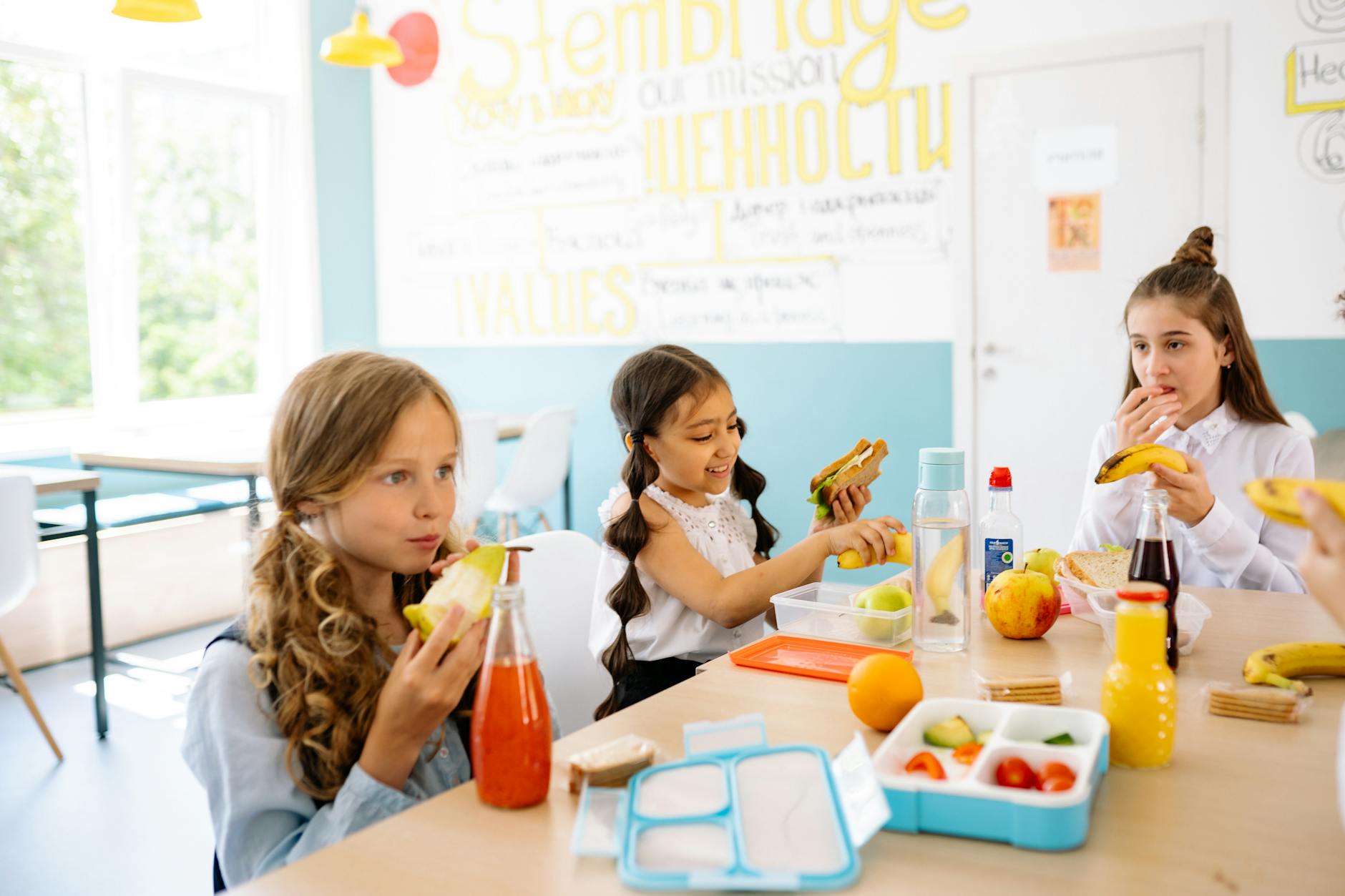
- Fruits: Apples, bananas, and berries are great for on-the-go snacking.
- Vegetables: Carrot sticks, cherry tomatoes, and bell pepper slices pair well with hummus.
- Nuts: A small handful of nuts provides healthy fats and protein.
- Yogurt: Opt for low-sugar yogurt with fresh fruit or granola.
3. Involve Students in Cooking
Encouraging students to participate in meal preparation can make healthy eating fun and educational. Here are some ideas:
- Let them choose recipes they want to try.
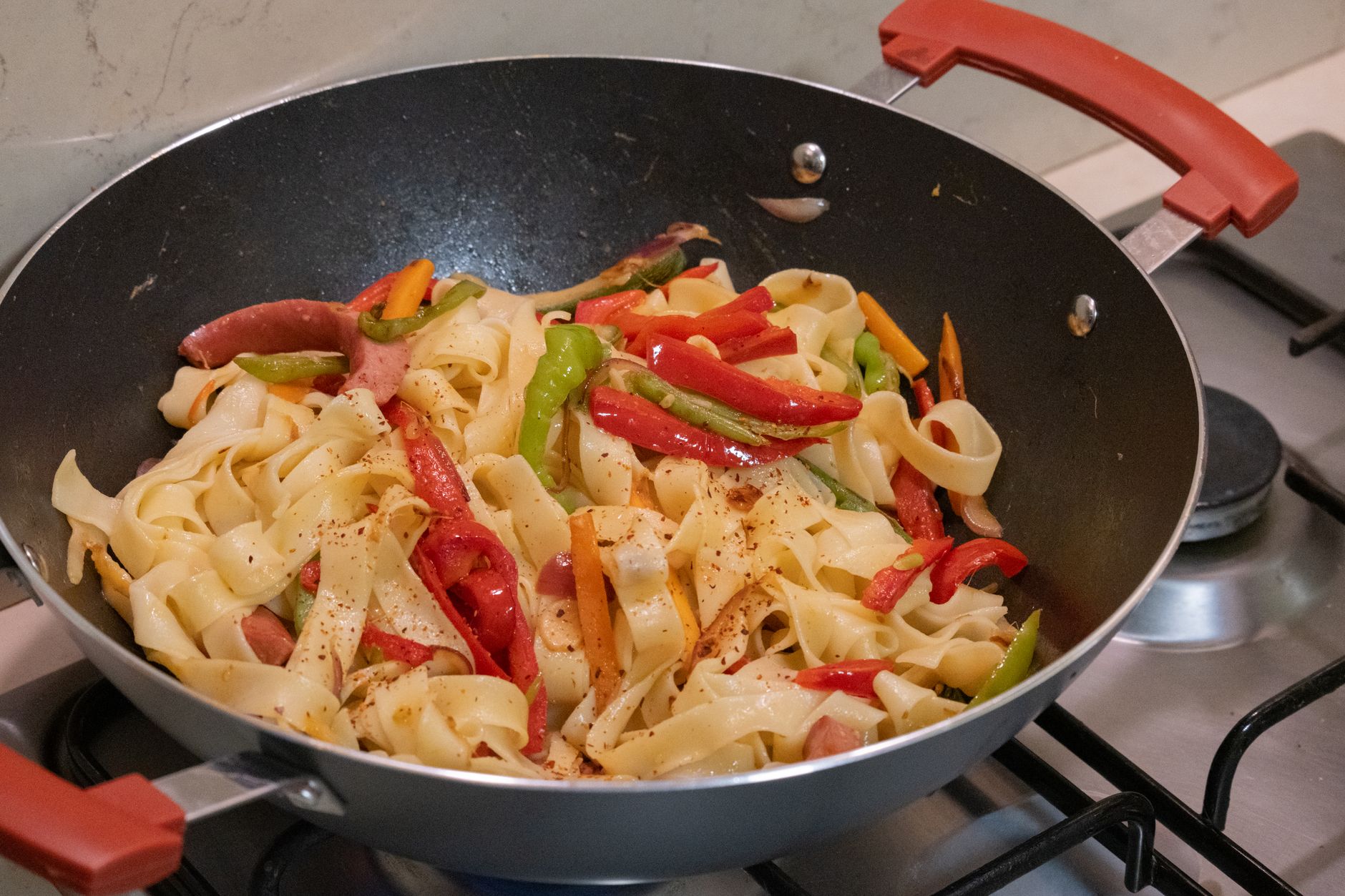
- Teach them basic cooking skills, like chopping vegetables or boiling pasta.
- Make it a family activity on the weekends.
Personalized Advice for Busy Students
For students with hectic schedules, here are some tailored tips:
- Batch Cooking: Prepare large portions of meals on weekends and freeze them for later.
- Quick Breakfasts: Options like overnight oats or smoothies can be made in minutes.
- Healthy Lunches: Pack lunches the night before to make mornings easier.
Common Mistakes to Avoid
Many students make common mistakes when it comes to healthy eating:
- Skipping Meals: Avoid skipping breakfast or lunch; it can lead to overeating later.
- Relying on Processed Foods: Processed snacks might be convenient but often lack nutrients.
- Ignoring Hydration: Don’t forget to drink water; dehydration can affect focus and energy.
Simple Real-Life Example
Consider Sarah, a busy high school student. She struggled with her energy levels and often bought unhealthy snacks at school. After learning about meal planning, she decided to set aside some time each Sunday to prepare healthy meals. She made quinoa salads, baked chicken, and chopped vegetables for snacks. By planning ahead, Sarah felt more energized and focused during her classes and improved her grades.
Quick Checklist for Healthy Eating
| Action Item | Frequency |
|---|---|
| Plan meals | Weekly |
| Pack healthy snacks | Daily |
| Drink water | Throughout the day |
| Prepare breakfast | Every morning |
Frequently Asked Questions
What are some easy healthy snacks for school?
Some easy healthy snacks include fruits, yogurt, nuts, and vegetables with hummus.
How can I stay motivated to eat healthy?
Set small goals, involve friends, and keep healthy foods visible in your home.
Can meal planning really save me time?
Yes, planning meals in advance can reduce stress and save time during busy weekdays.
What should I do if I’m craving junk food?
Try to find healthier alternatives, like homemade versions of your favorite snacks.
How can parents help their children eat healthily?
Parents can model healthy eating habits, involve kids in cooking, and keep nutritious foods at home.
By implementing these healthy eating tips, students can enjoy a balanced diet that fuels their bodies and minds. It’s all about making small changes that lead to healthy habits. Start by planning your meals and preparing healthy snacks, and you’ll be on your way to a successful school year.
Disclaimer: This article is for general informational purposes only and should not be considered medical advice. Please consult a qualified healthcare professional before making health-related decisions.