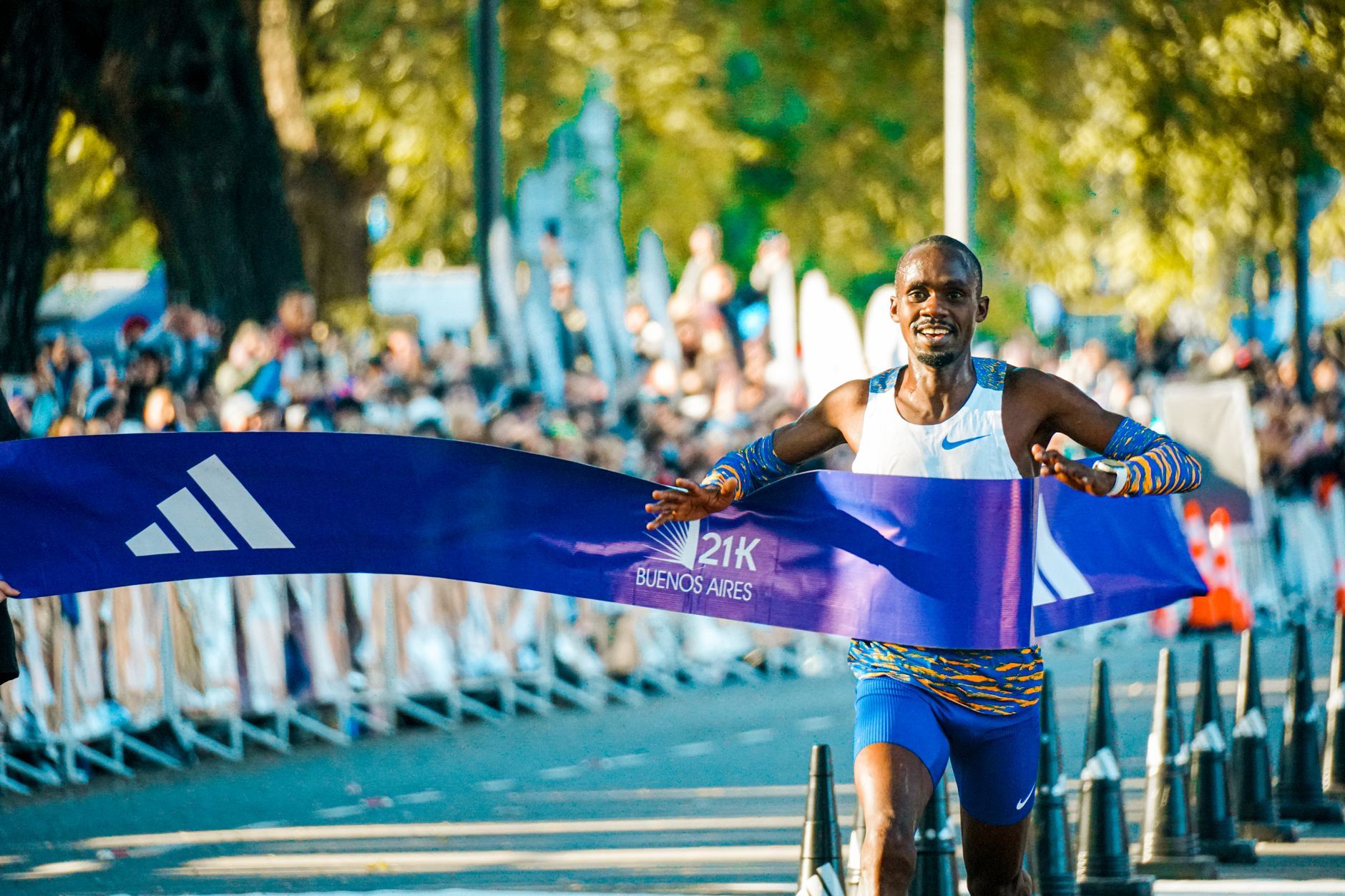

Are you thinking about running the NYC Marathon 2026? It’s an exciting goal, but it can also feel overwhelming. Many first-time runners share feelings of anxiety about training, nutrition, and race day itself. This marathon is not just a race; it’s a journey that requires preparation and dedication. Knowing what to expect can make all the difference in your experience.
Why This Topic Matters
Joining the NYC Marathon is a fantastic way to challenge yourself physically and mentally. The marathon experience can boost your confidence and improve your overall fitness. However, without proper preparation, you may face unnecessary struggles that could dampen your experience. By understanding essential running tips and following a structured training plan, you can cross the finish line feeling accomplished and proud.
Key Things Readers Should Know
Before you lace up your running shoes, it’s important to grasp some fundamental concepts about marathon training:
- Distance: A marathon is 26.2 miles long. This is a significant distance that requires proper training.
- Training Plan: A good training plan gradually increases your mileage to prepare your body.
- Hydration and Nutrition: Staying hydrated and fueling your body properly is crucial for long-distance running.
- Rest: Don’t underestimate the power of rest days. They are essential for recovery and performance.
Practical Tips for First-Time Runners
1. Create a Training Plan
Having a structured training plan is vital. Aim for at least 16-20 weeks of training. Here’s a simple outline:
- Weeks 1-4: Focus on building a running base. Start with 3-4 miles, 3-4 times a week.
- Weeks 5-8: Gradually increase your long run to 6-8 miles.
- Weeks 9-12: Introduce speed work and increase your long run to 10-14 miles.
- Weeks 13-16: Peak with long runs of 16-20 miles, then taper down before the race.
2. Stay Hydrated
Hydration is key during training and on race day. Here are some tips:

- Drink water regularly throughout the day.
- During long runs, carry water or plan routes with water stations.
- Consider electrolyte drinks for longer runs to replenish lost salts.
3. Focus on Nutrition
What you eat plays a huge role in your performance:
- Incorporate carbohydrates for energy, especially before long runs.
- Include lean proteins for muscle repair.
- Don’t forget healthy fats for overall health.
Personalized Advice for Different Readers
Depending on your lifestyle, here are tailored tips:
- Busy People: Consider early morning runs or combine running with your commute.
- Parents: Schedule runs during your kids’ activities or take them along in a stroller.
- Students: Use breaks between classes for short runs or strength training.
- Older Adults: Focus on low-impact exercises to build strength and endurance.
Common Mistakes to Avoid
Even seasoned runners can make mistakes. Here are some to watch out for:
- Skipping long runs: They build endurance.
- Ignoring pain: Listen to your body and seek help if needed.
- Overtraining: Rest is as important as training.
Simple Real-Life Example
Consider Sarah, a first-time marathoner. She started training with the mindset that she had to run every day. After a few weeks, she felt exhausted and overwhelmed. Once she adjusted her plan to include rest days and focused on nutrition, her energy levels soared. On race day, she crossed the finish line with a smile, proud of her accomplishment.
Quick Checklist for NYC Marathon Preparation
| Preparation Steps | Timeline |
|---|---|
| Choose a training plan | 16-20 weeks before |
| Start running regularly | 16 weeks before |
| Incorporate long runs | Every weekend |
| Hydrate and fuel | Daily |
| Rest and recover | Weekly |
Frequently Asked Questions
What is a good training plan for a beginner?
A beginner’s training plan should gradually increase mileage, starting with short distances and building up to long runs over 16-20 weeks.
How do I stay motivated during training?
Set small goals, join a running group, or find a running buddy to help keep you motivated.
What gear do I need for the marathon?
Invest in a good pair of running shoes, breathable clothing, and accessories like a watch or hydration pack.
How do I avoid injuries while training?
Listen to your body, take rest days, and don’t increase your mileage too quickly.
What should I eat before the marathon?
Focus on carbs for energy, like oatmeal or a banana, and avoid heavy meals before the race.
Preparing for the NYC Marathon 2026 is not just about running; it’s about building a routine and embracing a lifestyle. Take it one step at a time, and remember to enjoy the journey. Every mile brings you closer to your goal, so lace up and get ready to hit the pavement!
Disclaimer: This article is for general informational purposes only and should not be considered medical advice. Please consult a qualified healthcare professional before making health-related decisions.


