
Have you ever noticed how your skin reacts differently as the seasons change? One day it feels dry and tight, and the next it’s oily and shiny. This shifting behavior is common and can leave you wondering how to best care for your skin. Understanding the effects of seasonal temperature changes on your skin is crucial for maintaining a healthy and radiant complexion. In this article, we’ll explore how to adjust your skincare routine according to the seasons, ensuring your skin stays healthy all year round.
Why This Topic Matters
As the seasons change, so do the temperatures, humidity levels, and environmental factors that can affect your skin. These changes can lead to various skin issues, including dryness, irritation, and breakouts. By understanding the impact of temperature on your skin, you can take proactive steps to protect and nourish it. A well-timed adjustment to your skincare routine can enhance your skin’s health, making it resilient against the elements.
Key Things Readers Should Know
Temperature affects your skin in several ways:
- Dryness and Dehydration: Cold weather can strip moisture from your skin, leading to dryness and flakiness.
- Oily Skin: Warmer temperatures can increase oil production, leading to breakouts if not managed properly.
- Sun Damage: In the summer, UV rays are stronger, making sunscreen even more essential.
- Allergies: Seasonal allergens can trigger skin reactions, such as rashes or eczema flare-ups.
Practical Tips for Seasonal Skincare
Winter Skincare Tips
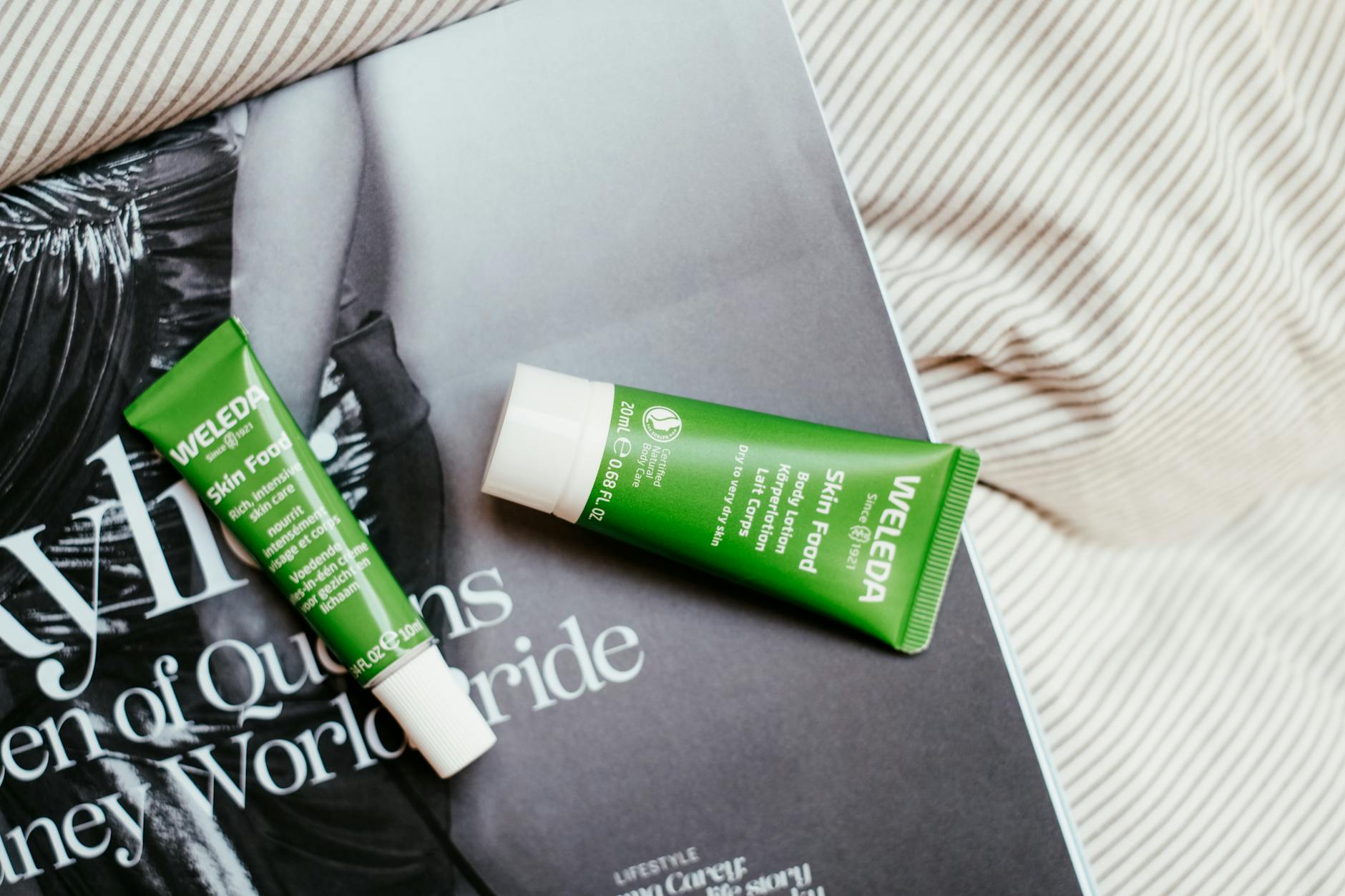
- Moisturize Frequently: Use a thick, hydrating moisturizer to combat dryness. Look for ingredients like hyaluronic acid and ceramides.
- Use a Humidifier: Adding moisture to the air can help keep your skin hydrated.
- Gentle Cleansers: Avoid harsh soaps that can strip oils; opt for creamy cleansers instead.
Spring Skincare Tips
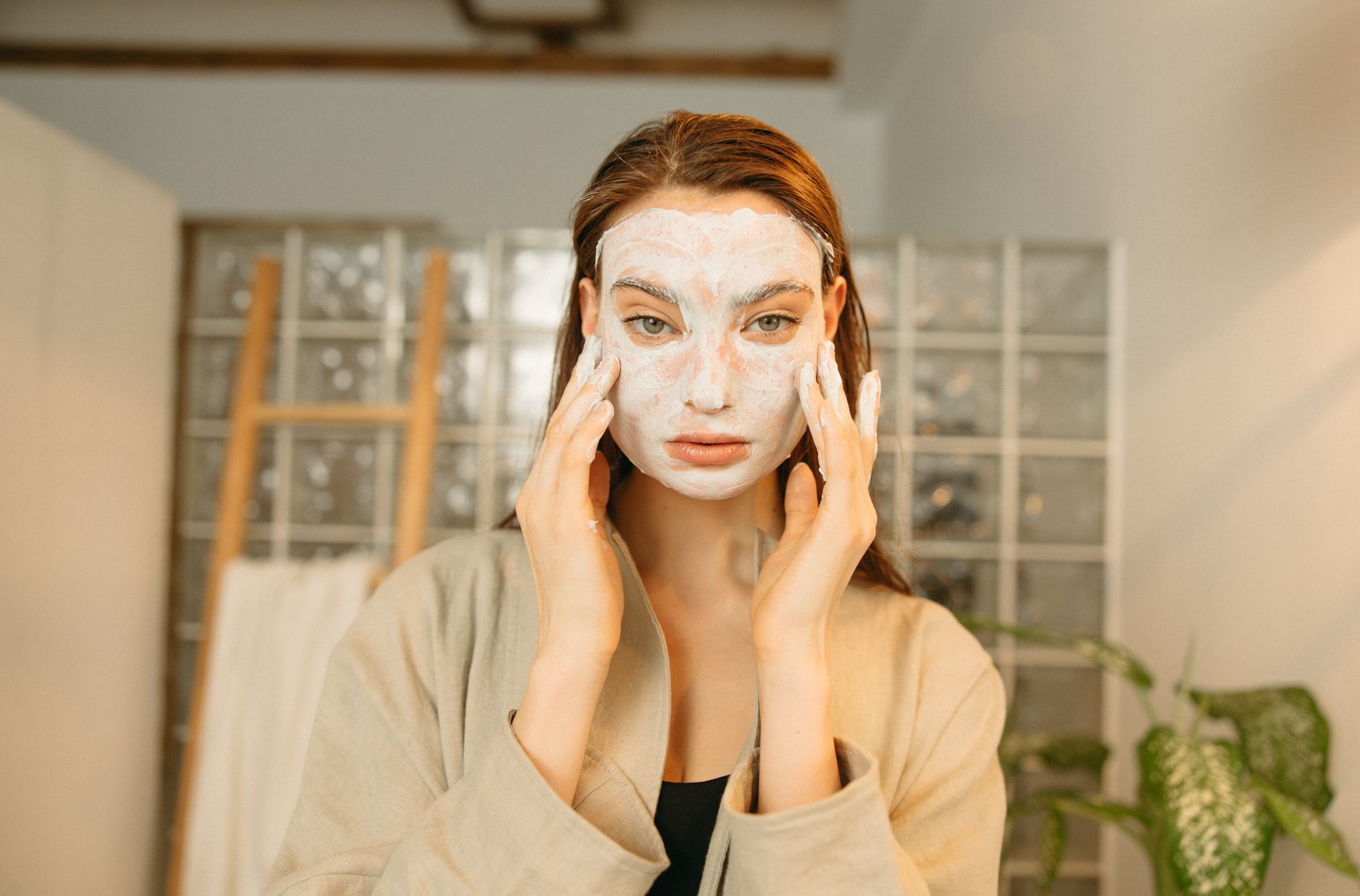
- Exfoliate: Gently exfoliate to remove dead skin cells and promote new cell growth.
- Switch to Lighter Products: As temperatures rise, consider switching to lighter moisturizers and serums.
- Patch Test New Products: Spring can bring allergies; always test new products to avoid reactions.
Summer Skincare Tips
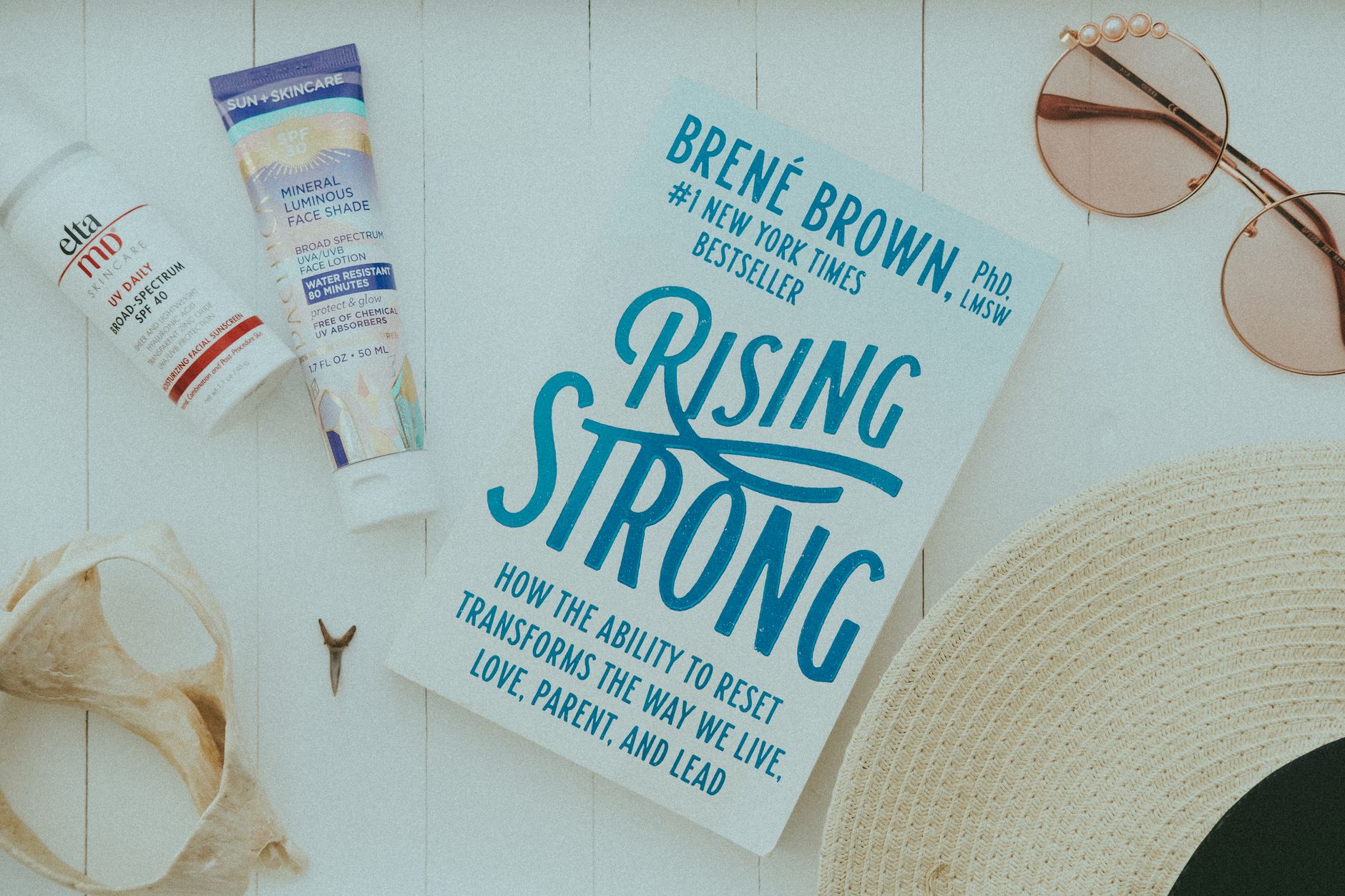
- Sunscreen is a Must: Use broad-spectrum SPF 30 or higher daily, even on cloudy days.
- Lightweight Formulas: Choose oil-free and non-comedogenic products to prevent clogged pores.
- Stay Hydrated: Drink plenty of water and consider using hydrating mists throughout the day.
Fall Skincare Tips
- Rehydrate Your Skin: Transition back to heavier creams to combat the drying air.
- Adjust Your Routine: Start reintroducing richer serums and oils to nourish your skin.
- Consult a Dermatologist: If you notice any lasting changes, seek professional advice.
Personalized Advice for Different Readers
Different people have unique skincare needs. Here’s how to adjust your routine based on your lifestyle:
- Busy Professionals: Look for multi-tasking products that combine hydration and sun protection.
- Parents: Use gentle products for children; consider fragrance-free options to avoid irritation.
- Students: Stick to affordable, effective products; a simple routine is often best.
- People with Sensitive Skin: Always opt for hypoallergenic products and consult a dermatologist for personalized recommendations.
Common Mistakes to Avoid
Here are some common skincare mistakes to watch out for:

- Ignoring Sunscreen: Never skip sunscreen, even in winter; UV rays can penetrate clouds.
- Over-Exfoliating: Too much exfoliation can damage your skin barrier; stick to 1-2 times a week.
- Neglecting Hydration: Always drink enough water, regardless of the season.
Simple Real-Life Example
Consider Sarah, a busy professional who often forgets to change her skincare routine with the seasons. During winter, she noticed her skin was flaky and tight. After learning about seasonal skincare, she added a rich moisturizer and a humidifier to her routine. By spring, she switched to lighter products and started exfoliating, which made her skin glow. This simple adjustment not only improved her skin health but also made her feel more confident.
Quick Seasonal Skincare Checklist
| Season | Key Actions |
|---|---|
| Winter | Moisturize, use a humidifier |
| Spring | Exfoliate, lighter products |
| Summer | Sunscreen, lightweight formulas |
| Fall | Rehydrate, consult a dermatologist |
Frequently Asked Questions
How often should I change my skincare routine with the seasons?
It’s a good idea to reassess your routine with each season, making adjustments as needed based on temperature and humidity changes.
What ingredients should I look for in winter skincare products?
Look for ingredients like hyaluronic acid, glycerin, and ceramides that help retain moisture in dry conditions.
Can seasonal allergies affect my skin?
Yes, seasonal allergies can cause skin reactions like rashes or eczema flare-ups. Consider consulting a dermatologist if you notice any changes.
Does sunscreen matter in winter?
Absolutely! UV rays can still damage your skin in winter, especially if there’s snow reflecting sunlight.
What’s the best way to protect my skin in summer?
Use broad-spectrum sunscreen daily, stay hydrated, and choose lightweight, non-comedogenic products.
By being mindful of how seasonal changes impact your skin, you can take proactive steps to maintain your skin health throughout the year. Remember to adjust your skincare routine to fit the climate and your skin’s needs. Start with one simple change today and watch your skin thrive!
Disclaimer: This article is for general informational purposes only and should not be considered medical advice. Please consult a qualified healthcare professional before making health-related decisions.