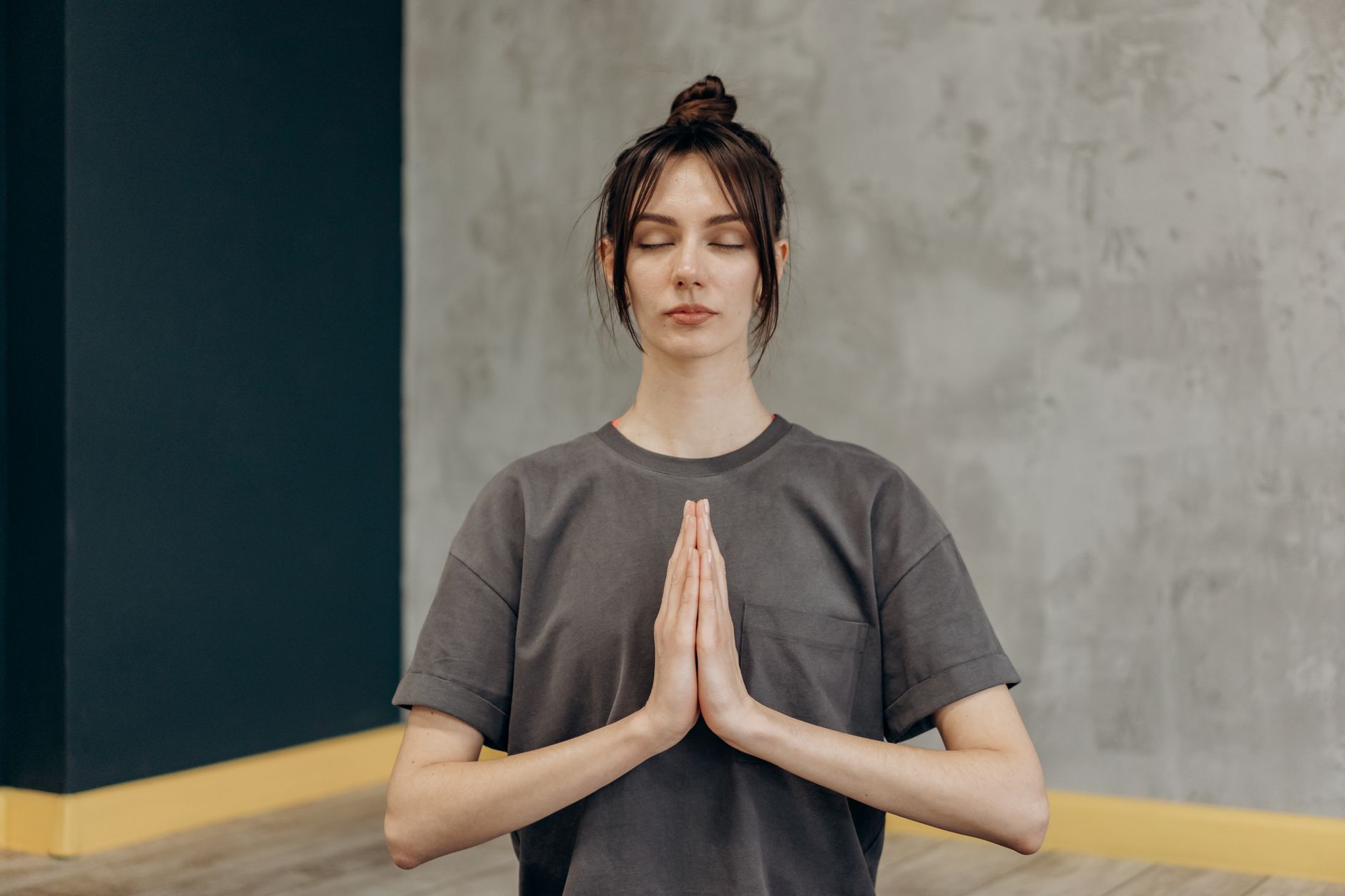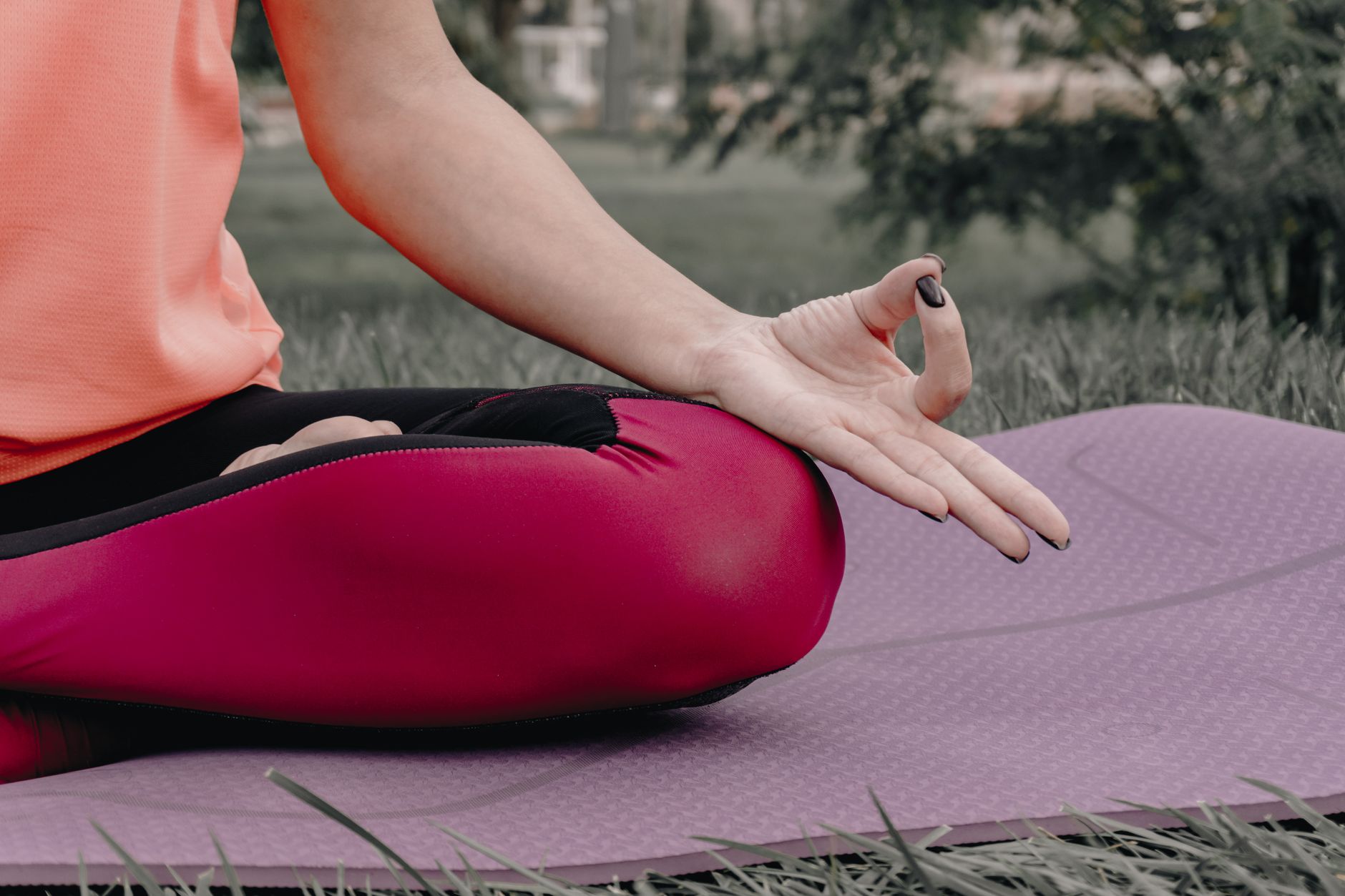

Do you ever feel overwhelmed by life’s demands? Stress can creep in from work, family, and everyday responsibilities, leaving you feeling anxious and drained. Managing stress is crucial for your overall health and happiness. One effective way to tackle stress is through mindfulness techniques. These practices can help you find calm and clarity in the chaos of daily life.
Why This Topic Matters
Stress affects everyone, and its impact can ripple through your daily life. Chronic stress can lead to health issues, fatigue, and emotional challenges. When you learn to manage stress effectively, you improve your mental wellness, boost your mood, and enhance your quality of life. Mindfulness techniques provide you with tools to approach stress with a calm mind and a positive outlook.
Key Things Readers Should Know
Mindfulness is about being present and fully engaged in the moment. It’s about observing your thoughts and feelings without judgment. Many people misunderstand mindfulness as a complicated practice that requires years of training. However, it can be as simple as taking a few deep breaths or paying attention to your surroundings. The essence of mindfulness is to bring your awareness back to the present, which can naturally reduce stress.
Practical Tips for Stress Management
1. Breathing Exercises
Simple breathing exercises are a great starting point for mindfulness. Here’s a quick guide:
- Find a comfortable position, either sitting or lying down.
- Close your eyes and take a deep breath in through your nose, allowing your belly to rise.
- Hold your breath for a moment.
- Exhale slowly through your mouth, letting go of any tension.
- Repeat this for a few minutes, focusing solely on your breath.
2. Mindful Walking
This technique involves paying attention to your steps. Here’s how to do it:

- Find a quiet place to walk, either indoors or outdoors.
- As you walk, focus on each step. Feel your feet touching the ground.
- Notice the sights, sounds, and smells around you.
- If your mind wanders, gently bring your focus back to your steps.
3. Guided Meditation
Guided meditation can help you relax and focus. You can find many free resources online. Here’s a simple way to start:
- Choose a quiet place and sit comfortably.
- Play a guided meditation that resonates with you.
- Close your eyes and follow the instructions.
4. Journaling
Writing down your thoughts can be very therapeutic. Consider these tips:
- Set aside a few minutes each day to write.
- Focus on your feelings and thoughts without judgment.
- Reflect on what you are grateful for, which can shift your mindset positively.
Personalized Advice
Different people may need different approaches to mindfulness. Here are tailored suggestions:
- Busy People: Try short, five-minute breathing exercises throughout the day.
- Parents: Involve your kids in mindfulness by practicing mindful play or nature walks together.
- Students: Use study breaks to practice mindfulness techniques to stay focused and calm.
Common Mistakes to Avoid
When practicing mindfulness, avoid these pitfalls:
- Don’t pressure yourself to clear your mind completely. It’s normal for thoughts to arise.
- Be mindful of your expectations. Mindfulness is a journey, not a quick fix.
- Don’t skip practice. Consistency is key to seeing results.
Simple Real-Life Example
Consider Sarah, a busy working mom who often felt overwhelmed. After learning about mindfulness techniques, she started taking five minutes each morning to practice deep breathing. Over time, she noticed she was calmer throughout the day, even when challenges arose. This simple practice helped her manage stress and improved her interactions with her family.
Quick Checklist for Mindfulness Practice
| Practice | Duration | Frequency |
|---|---|---|
| Breathing Exercises | 5 minutes | Daily |
| Mindful Walking | 10 minutes | 3 times a week |
| Guided Meditation | 15 minutes | Weekly |
| Journaling | 5-10 minutes | Daily |
Frequently Asked Questions
What is mindfulness?
Mindfulness is the practice of being present and fully engaged in the moment without judgment.
How can mindfulness help with stress management?
Mindfulness helps you observe your thoughts and feelings, allowing you to respond to stress more calmly.
Do I need special training to practice mindfulness?
No, mindfulness can be practiced by anyone and doesn’t require special training.
How often should I practice mindfulness?
Consistency is important. Aim to practice mindfulness daily, even for just a few minutes.
Can mindfulness improve my overall mental wellness?
Yes, regular mindfulness practice can lead to improved mental wellness and reduced stress levels.
Taking the first step toward managing stress can feel daunting, but you’ve already started by reading this article. Remember, mindfulness techniques are simple and can fit into your daily routine. Start small, be patient with yourself, and gradually incorporate these practices into your life. You deserve to feel calm and centered.
Disclaimer: This article is for general informational purposes only and should not be considered medical advice. Please consult a qualified healthcare professional before making health-related decisions.