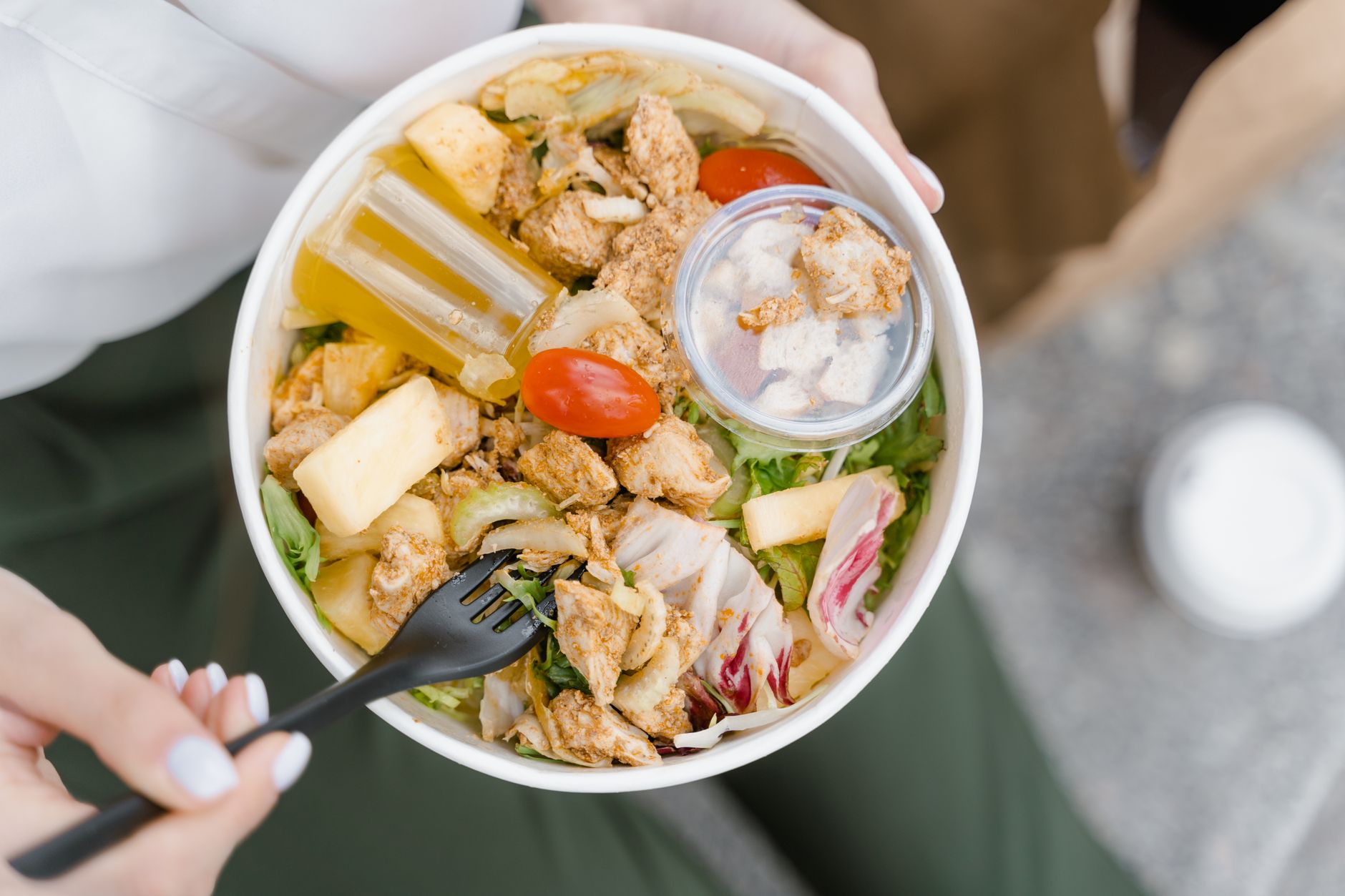

As the summer sun shines brighter, many people consider refreshing their diet. If you’re thinking about making a change, a plant-based diet can be a fantastic choice. It not only supports your health but also aligns beautifully with the abundance of seasonal fruits and vegetables. However, before you dive in, there are a few key points to consider that can help you enjoy this diet to the fullest.
Why This Topic Matters
Adopting a plant-based diet can lead to numerous health benefits. It’s linked to lower risks of chronic diseases, improved heart health, and better digestion. Plus, eating more fruits and vegetables can boost your energy levels, which is perfect for those summer activities. Understanding how to transition to this diet smoothly ensures you reap these benefits without feeling overwhelmed.
Key Things Readers Should Know
A plant-based diet emphasizes whole foods, such as fruits, vegetables, whole grains, nuts, and seeds. It doesn’t mean you have to become a strict vegetarian or vegan. Instead, it encourages you to make more plant-based choices while reducing animal products. Here are a few basics to keep in mind:
- Focus on whole foods: Choose foods in their natural state.
- Balance is key: Ensure you get a variety of nutrients.
- Listen to your body: Everyone’s dietary needs are different.
Practical Tips for Starting a Plant-Based Diet
1. Start Slow
If you’re new to a plant-based diet, don’t feel pressured to make drastic changes overnight. Start by incorporating one or two meatless meals each week.
2. Explore Food Swaps
Replacing animal products with plant-based alternatives can be simple:
- Use almond milk instead of cow’s milk.
- Try lentils or chickpeas in place of meat.
- Experiment with avocado as a spread instead of butter.
3. Plan Your Meals
Planning meals can help you stay on track. Consider preparing a weekly meal plan that includes:
- Breakfast: Smoothies with spinach and bananas.
- Lunch: Quinoa salad with mixed vegetables.
- Dinner: Stir-fried tofu with seasonal veggies.
Personalized Advice for Different Readers
Whether you’re a busy professional or a parent trying to feed your family, there are ways to make a plant-based diet work for you:
- Busy Individuals: Prepare meals in advance. Batch cooking can save time.
- Parents: Involve kids in cooking. It can make them more interested in trying new foods.
- Students: Look for budget-friendly plant-based recipes that are easy to make.
Common Mistakes to Avoid
Transitioning to a plant-based diet can be rewarding, but there are pitfalls to watch out for:
- Not getting enough protein: Include beans, nuts, and whole grains.
- Relying on processed foods: Whole foods are more nutritious.
- Neglecting meal variety: Mix it up to prevent boredom.
A Simple Real-Life Example
Consider Sarah, who decided to try a plant-based diet this summer. She started by swapping out her usual breakfast of eggs and toast for a smoothie packed with spinach, banana, and almond milk. Morning by morning, she felt more energized and discovered new recipes, like chickpea salad sandwiches. By the end of the month, she had built a routine that made her feel lighter and healthier.
Quick Checklist for Starting
| Action Item | Status |
|---|---|
| Research plant-based recipes | ✔️ |
| Make a weekly meal plan | ✔️ |
| Buy seasonal fruits and vegetables | ✔️ |
| Try new foods each week | ✔️ |
| Stay hydrated | ✔️ |
Frequently Asked Questions
What are the main benefits of a plant-based diet?
A plant-based diet can help improve heart health, reduce the risk of chronic diseases, and increase energy levels through a higher intake of nutrients.
Can I still eat out on a plant-based diet?
Yes! Many restaurants offer plant-based options. You can also customize your meals by asking for modifications.
How do I get enough protein on a plant-based diet?
Include foods like beans, lentils, tofu, nuts, and whole grains to meet your protein needs.
Is a plant-based diet suitable for everyone?
While many people thrive on a plant-based diet, it’s essential to listen to your body and consult a healthcare professional if you have specific dietary concerns.
What should I do if I feel tired or unwell on this diet?
Make sure you are eating a variety of foods and getting enough calories. If issues persist, consult a healthcare professional.
Embracing a plant-based diet this summer can be a fulfilling journey towards better health. Start with simple changes, listen to your body, and enjoy the vibrant foods of the season. Take that first step today, and your body will thank you!
Disclaimer: This article is for general informational purposes only and should not be considered medical advice. Please consult a qualified healthcare professional before making health-related decisions.