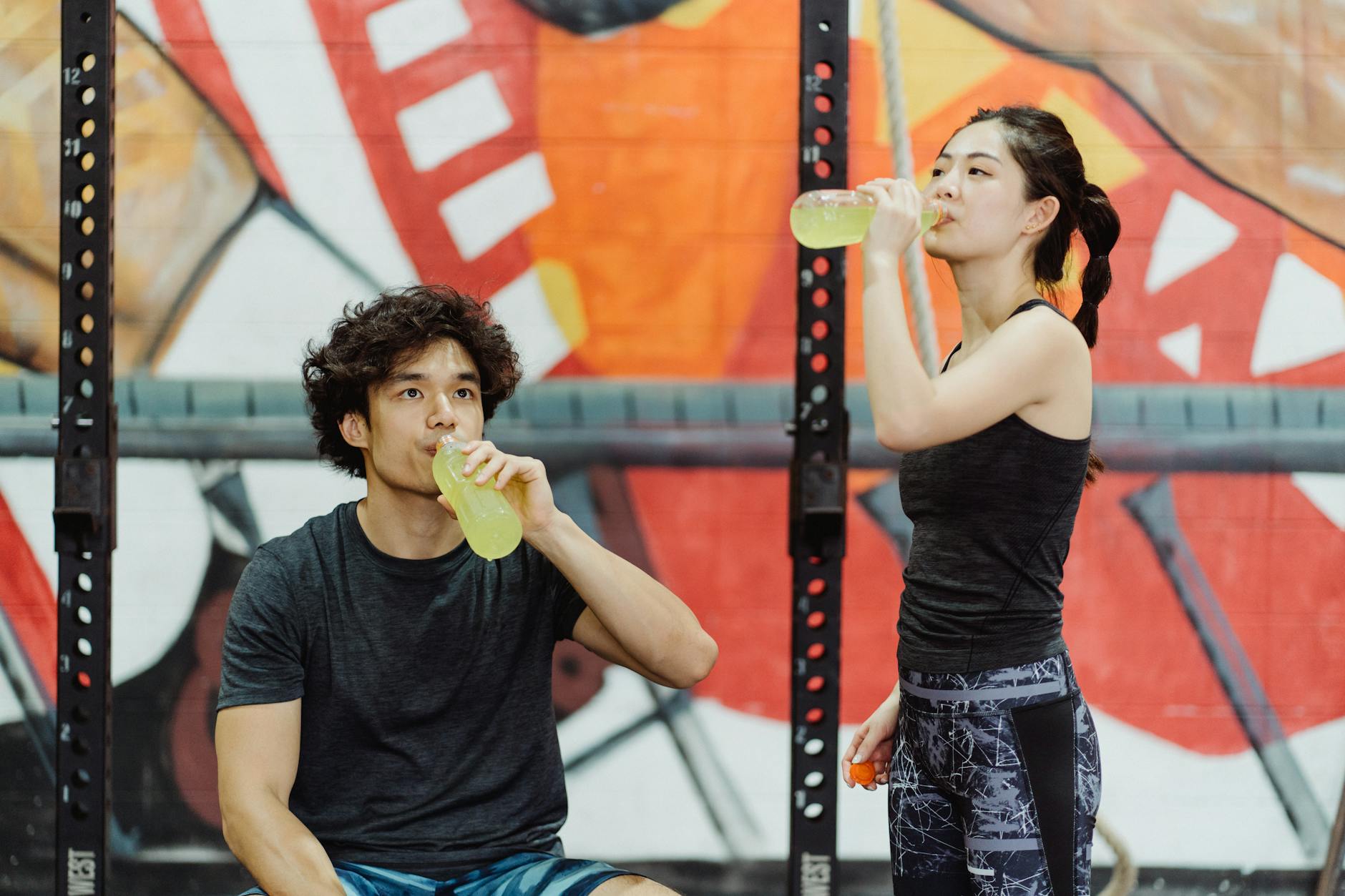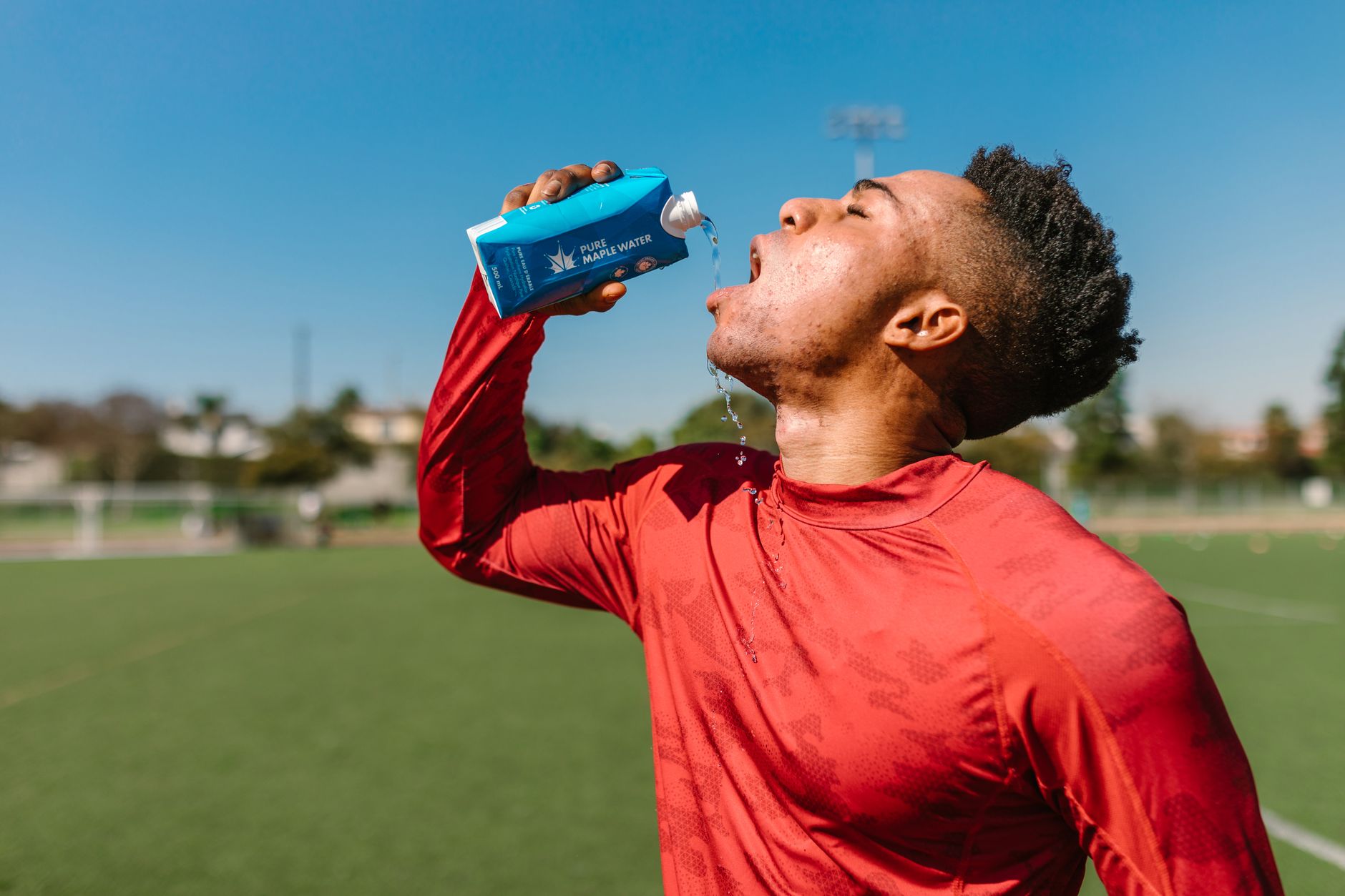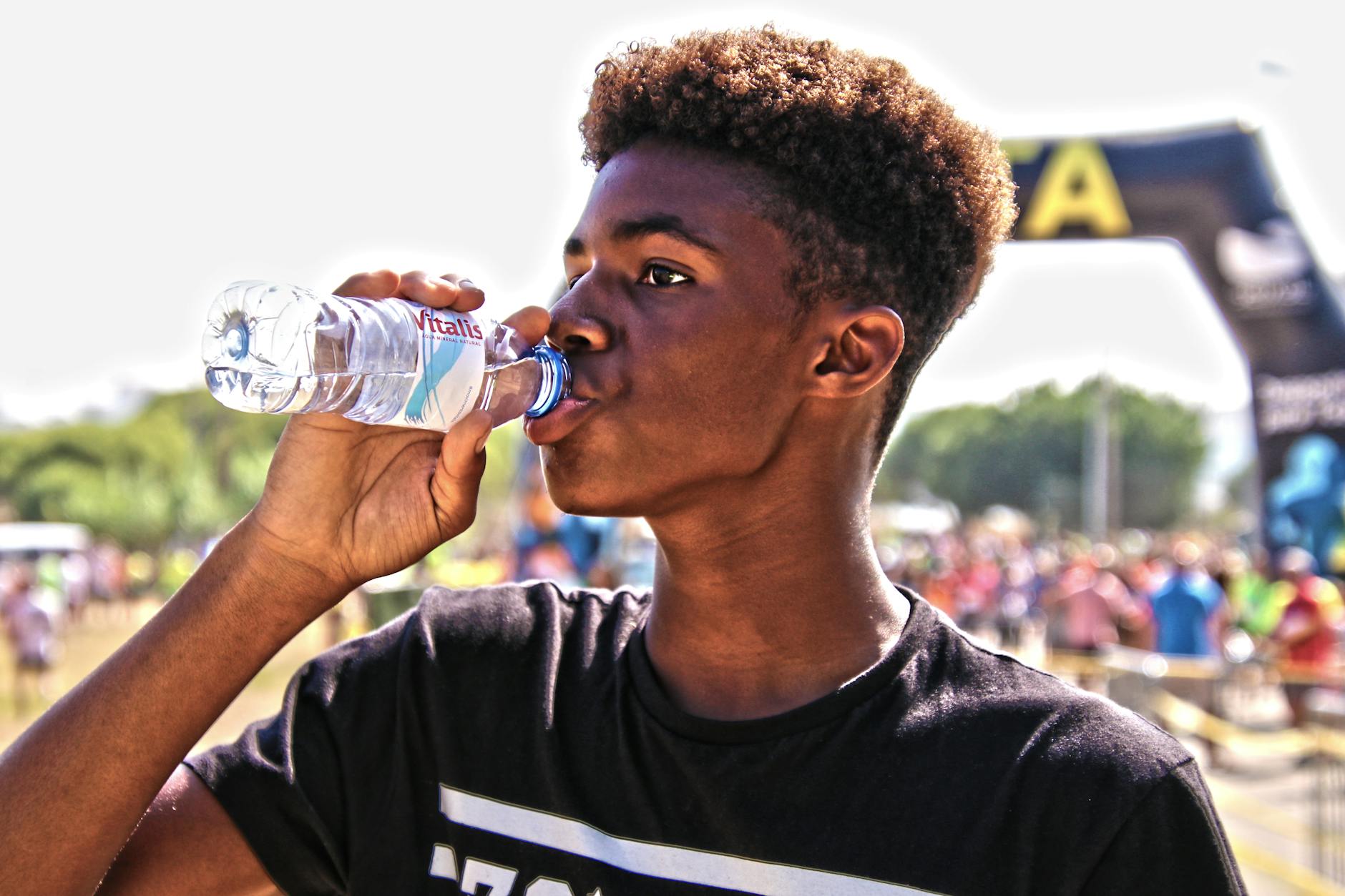

Picture a hot summer day. The sun is shining, and you’re outside enjoying the warmth. But wait—how are you feeling? Are you thirsty? Dehydration can sneak up on you when you least expect it, making it crucial to stay on top of your hydration game. In this summer hydration guide, we’ll explore why staying hydrated is essential and provide you with practical hydration tips to keep your body feeling great all season long.
Why This Topic Matters
Staying hydrated during the summer is not just a nice-to-have; it’s essential for your overall health. When temperatures rise, our bodies lose more water through sweat. If we don’t replace that lost fluid, we can experience fatigue, headaches, and even heat-related illnesses. Proper hydration helps maintain energy levels, supports digestion, and improves skin health, making it vital for your summer wellness.
Key Things Readers Should Know
Hydration means having enough fluids in your body to function properly. Water is vital for almost every bodily function, including temperature regulation and nutrient transport. During hotter months, your body’s need for water increases, so it’s vital to understand how to meet those needs effectively. A common misconception is that only water counts towards hydration. While water is the best choice, other fluids and foods can also help keep you hydrated.
Practical Tips for Summer Hydration
1. Drink Water Regularly
Make it a habit to drink water throughout the day. Aim for at least 8-10 cups, or more if you are active. Here are some tips to help you remember:
- Carry a reusable water bottle.
- Set reminders on your phone.
- Drink a glass of water before every meal.
2. Choose Hydrating Foods
Incorporate fruits and vegetables with high water content into your diet. Some great options include:
- Watermelon
- Cucumbers
- Strawberries
- Celery
3. Monitor Your Urine Color
Your urine color can be a good indicator of hydration. Aim for pale yellow. Darker urine may signal dehydration.
4. Avoid Sugary and Caffeinated Drinks
While they may seem refreshing, sugary and caffeinated beverages can lead to dehydration. Opt for water or herbal teas instead.
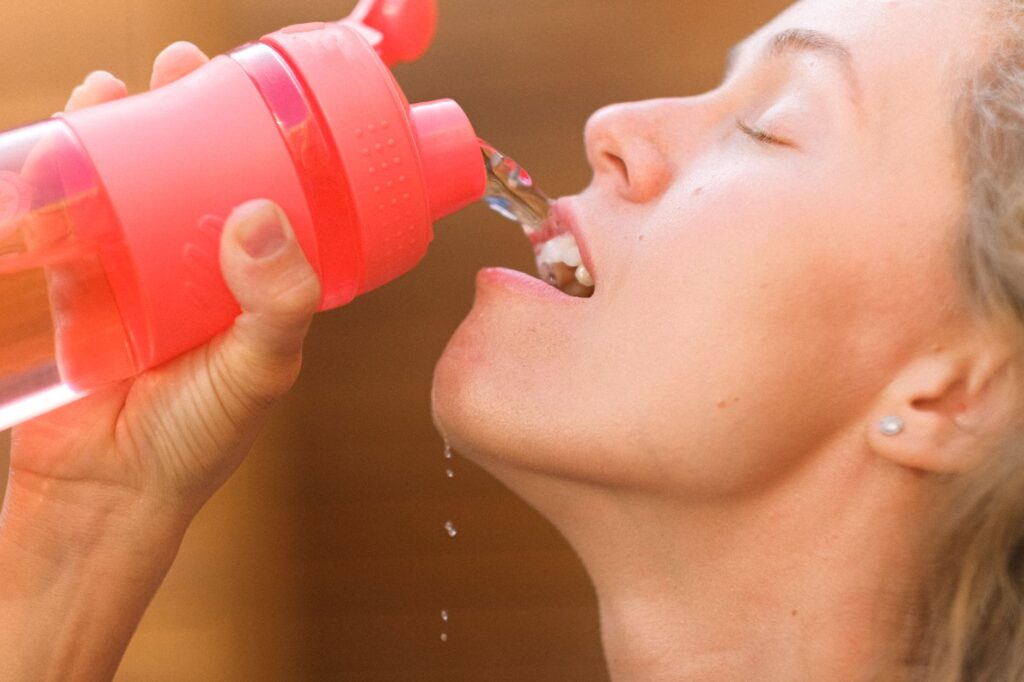
5. Hydrate Before, During, and After Exercise
When exercising in the heat, drink water before and during your workout, and remember to hydrate afterward as well.
Personalized Advice for Different Readers
Whether you’re a busy parent, a student, or an older adult, here are tailored hydration tips:
- Busy People: Keep a water bottle in your bag. Drink during meetings or while commuting.
- Parents: Encourage your kids to drink water by making it fun—use colorful straws or fun cups.
- Older Adults: Set a regular schedule for drinking water, especially if you have medications that may cause dehydration.
Common Mistakes to Avoid
It’s easy to overlook hydration. Here are some common mistakes:
- Not drinking water until you’re thirsty.
- Relying solely on other beverages for hydration.
- Ignoring signs of dehydration like dry mouth, dizziness, or fatigue.
Simple Real-Life Example
Imagine Sarah, a busy mom of two. During the summer, she often forgets to drink enough water while juggling her kids’ activities. To combat this, she sets a timer on her phone to remind her to take a sip every hour. She also fills a large pitcher of water every morning and keeps it in the fridge. This simple routine helps her stay hydrated and feel energized throughout the day.
Quick Checklist for Staying Hydrated
| Tip | Action |
|---|---|
| Drink Water | 8-10 cups daily |
| Hydrating Foods | Include fruits and veggies |
| Urine Check | Aim for pale yellow |
| Exercise Hydration | Drink before, during, and after |
Frequently Asked Questions
How much water should I drink daily in summer?
Aim for at least 8-10 cups, adjusting based on activity level and heat exposure.
Can I stay hydrated with beverages other than water?
Yes, but water is the best choice. Other fluids and high-water foods can help too.
What are signs of dehydration?
Common signs include dry mouth, fatigue, dizziness, and dark-colored urine.
Is it possible to drink too much water?
Yes, overhydration can lead to a condition called hyponatremia, so drink within your needs.
How can I encourage my children to drink more water?
Make it fun with colorful cups and straws, or let them choose their favorite fruits to add to the water.
Staying hydrated this summer is simple when you have the right tips and strategies. By paying attention to your body’s needs and making hydration a part of your daily routine, you can enjoy all that summer has to offer, feeling energetic and healthy. So, grab that water bottle and start sipping!
Disclaimer: This article is for general informational purposes only and should not be considered medical advice. Please consult a qualified healthcare professional before making health-related decisions.