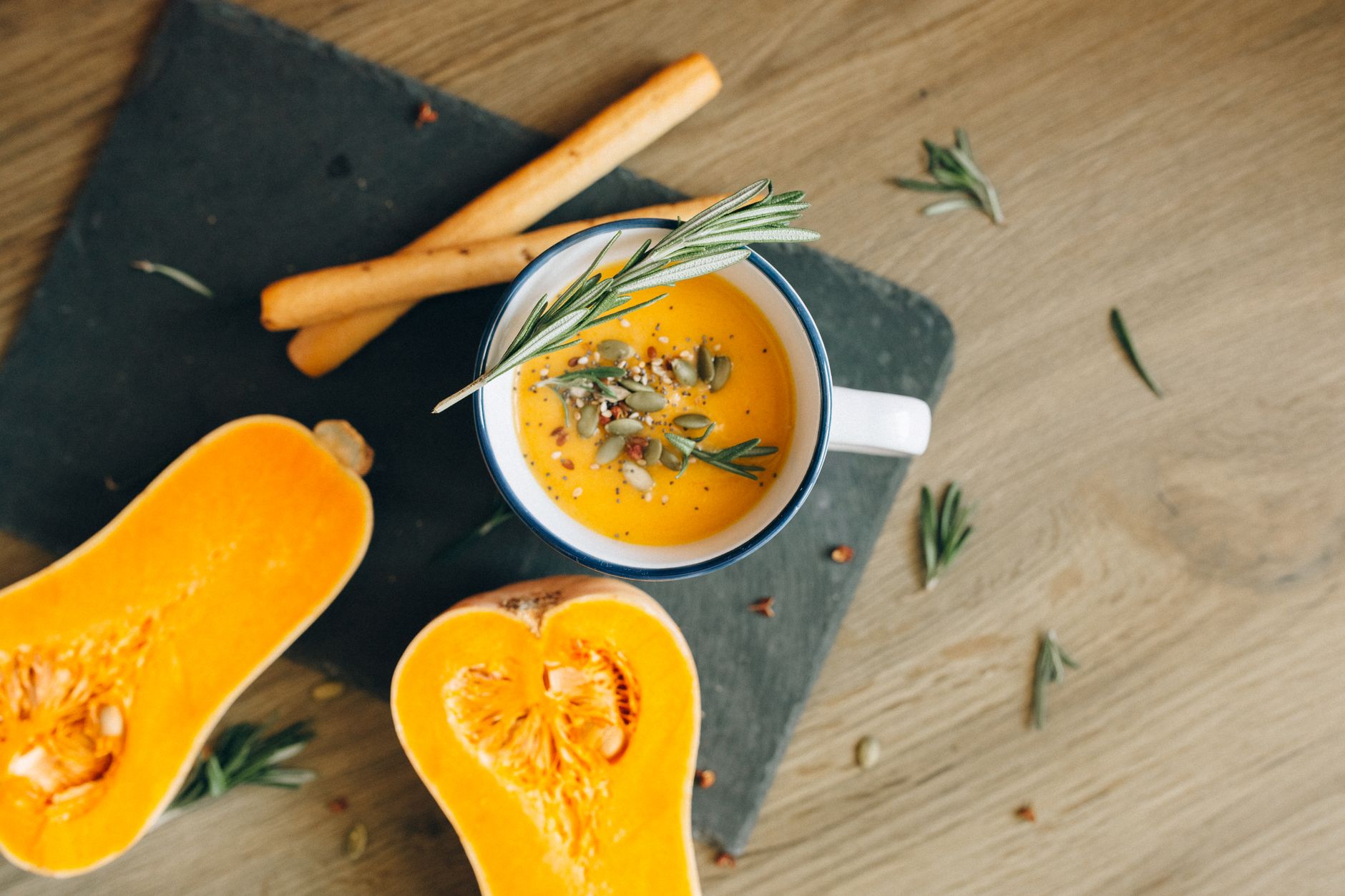

As the leaves change color and the air turns crisp, many of us find ourselves craving cozy meals that warm us from the inside out. But with these cravings often come heavier, less nutritious foods. How can we enjoy the comforts of fall while still focusing on our health? The answer lies in simple nutrition swaps. By making a few easy adjustments, you can enjoy delicious fall dishes that keep you on track with healthier eating. Here are five nutrition swaps to embrace this fall season.
Why This Topic Matters
Fall is a wonderful time to enjoy a variety of seasonal foods, but it can also lead to habits that don’t support our health goals. The colder months often bring comfort foods that are high in calories and low in nutrients. By making smart nutrition swaps, you can enjoy the flavors of fall while still nourishing your body. These changes can help you maintain energy levels, support your immune system, and feel good in your skin as the seasons change.
Key Things Readers Should Know
When considering fall nutrition swaps, it’s essential to focus on whole, nutrient-dense foods that provide vitamins and minerals while satisfying your cravings. Seasonal foods, like squash, apples, and root vegetables, are not only plentiful but also packed with nutrients. Understanding how to substitute less healthy ingredients with these nutritious options can make a big difference in your overall well-being.
5 Simple Nutrition Swaps for a Healthier Fall Season
1. Swap Creamy Soups for Broth-Based Options
Fall is soup season, but creamy soups can be heavy. Instead, try broth-based soups loaded with vegetables. They are lighter, lower in calories, and just as comforting. You can add beans or lentils for protein and fiber.
2. Replace White Potatoes with Sweet Potatoes
Sweet potatoes are rich in vitamins A and C, fiber, and antioxidants. Use them in casseroles, as a mash, or even in soups instead of white potatoes. They add a natural sweetness and a beautiful color to your meals.
3. Use Greek Yogurt Instead of Sour Cream
For creamy toppings, swap sour cream for Greek yogurt. It’s high in protein and lower in fat. Use it on baked potatoes, in dips, or as a base for dressings. You’ll get the creaminess without the extra calories.
4. Choose Whole Grains Over Refined Grains
When making dishes like casseroles or baked goods, opt for whole grains such as quinoa, brown rice, or whole wheat flour. Whole grains are more filling and provide more nutrients, making them a healthier option.
5. Replace Sugar with Natural Sweeteners
Fall recipes often call for sugar, but you can swap it for natural sweeteners like honey or maple syrup. They add flavor and are less processed. Use them in your baked goods, oatmeal, or hot beverages.
Personalized Advice for Different Readers
Everyone has different needs when it comes to nutrition. Here are some tailored tips:
- Busy People: Prepare soups in batches to have quick, healthy meals ready during the week.
- Parents: Get kids involved in making healthy swaps; they’ll enjoy the cooking process and learn about nutrition.
- Students: Look for easy, affordable recipes that use seasonal foods to stay on budget while eating healthily.
- Older Adults: Focus on nutrient-dense foods that support bone health and immunity, like leafy greens and nuts.
Common Mistakes to Avoid
When making nutrition swaps, be mindful of these common pitfalls:
- Don’t assume all swaps are lower in calories—check labels to ensure you’re making a healthy choice.
- Avoid overcomplicating recipes; simple swaps can be just as satisfying.
- Be cautious with portion sizes, even with healthier options, to maintain a balanced diet.
Simple Real-Life Example
Last fall, a friend of mine decided to embrace healthier eating. She started swapping her favorite creamy potato soup for a hearty vegetable and lentil soup. Not only did she enjoy the process of making it, but she also felt more energized and less bloated. It was a simple change that made a big difference.
Quick Checklist for Healthy Fall Swaps
| Swap | New Option |
|---|---|
| Creamy soups | Broth-based soups |
| White potatoes | Sweet potatoes |
| Sour cream | Greek yogurt |
| Refined grains | Whole grains |
| Sugar | Natural sweeteners |
Frequently Asked Questions
What are good seasonal foods for fall?
Good seasonal foods include pumpkins, squash, apples, and root vegetables. They are nutritious and perfect for fall recipes.
How can I make healthy fall recipes?
Focus on using whole ingredients, opt for healthier swaps, and try to incorporate lots of vegetables into your meals.
Are there easy fall recipes?
Yes! Look for recipes that use slow cookers or one-pot meals for easy preparation, like vegetable soups or baked sweet potatoes.
Can I still enjoy comfort foods in fall?
Absolutely! You can enjoy comfort foods by making healthier swaps to keep them nutritious without sacrificing flavor.
How do I get started with fall nutrition swaps?
Start by picking one or two swaps to implement in your meals this week. Gradually add more as you feel comfortable.
Making these simple fall nutrition swaps can help you enjoy the flavors of the season while supporting your health. Embrace the change in season and take one small step toward healthier eating today. Whether it’s trying a new recipe or swapping an ingredient, every little action counts toward a healthier you.
Disclaimer: This article is for general informational purposes only and should not be considered medical advice. Please consult a qualified healthcare professional before making health-related decisions.